How to add equine fine art to your portfolio

How to add equine fine art to your portfolio

How to add equine fine art to your portfolio

Many people feel quite intimidated by fine art photography, thinking it is something not many people can do and is outside of their reach.

The best definition we can find of fine art photography is the following:

“Fine art photography is a style of photography created by an artist. Fine art photos are photographs are photographs created purely for their aesthetic and imaginative qualities. Fine art photographers create work that goes beyond merely capturing what is in front of the camera” – Eden Gallery

Let’s break it down…

As equine photographers we are all artists, so big tick.

We are all capable of creating images for their aesthetic and imaginative qualities. Another tick.

So how do we create images that go beyond what is in front of the camera? This is where you need to dig into your creativity to produce something different and special. Let your imagination run wild – there are no hard and fast rules here!

To get your creativity flowing and working out what you like or want to shoot, you need to start experimenting and building a body of fine art work.

It isn’t as hard as you think to start adding equine fine art photography into your portfolio, here are 4 ways to get you started:

Wild Horses

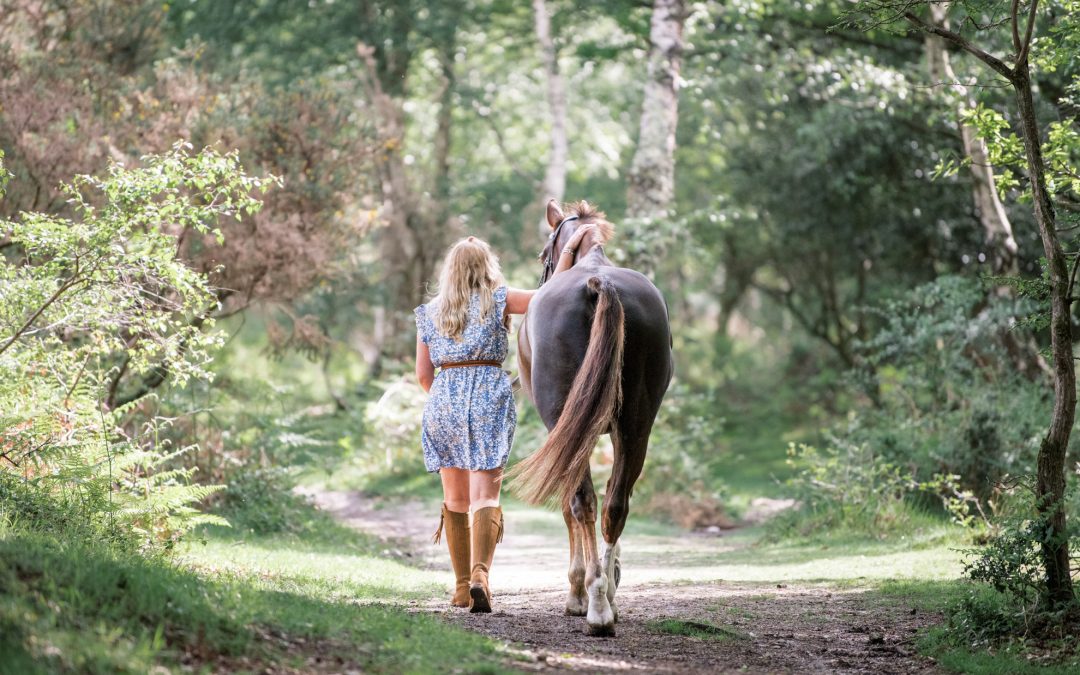
Depending on where you are in the world, there are a few places where you can find horses roaming free. We are really lucky where we are in the New Forest because we have plenty of ponies roaming across the beautiful countryside. It is as easy as getting in your car and driving to the New Forest, Exmoor, Dartmoor or Cumbria to find feral ponies living in the relative wild.

Portrait Sessions

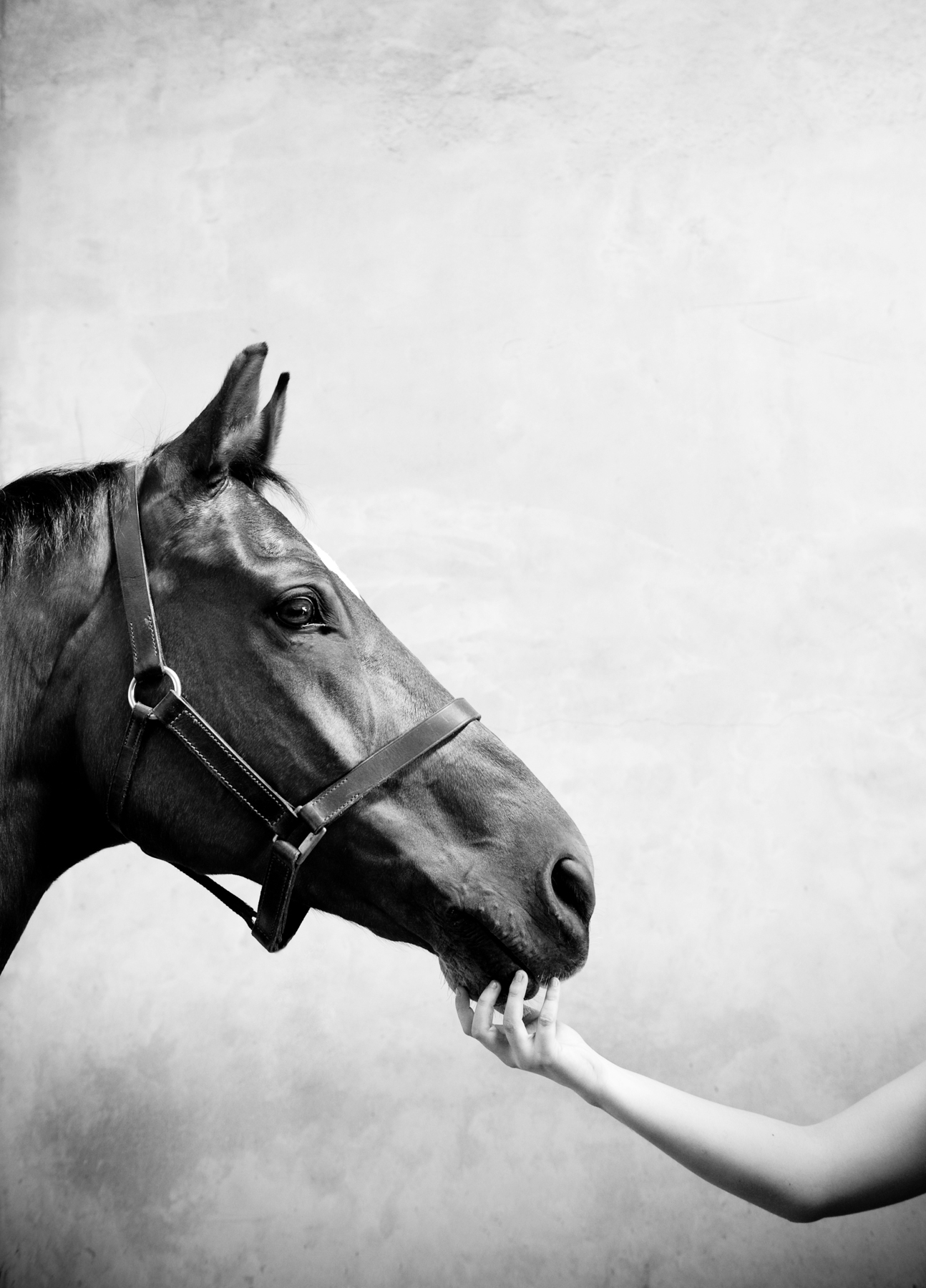
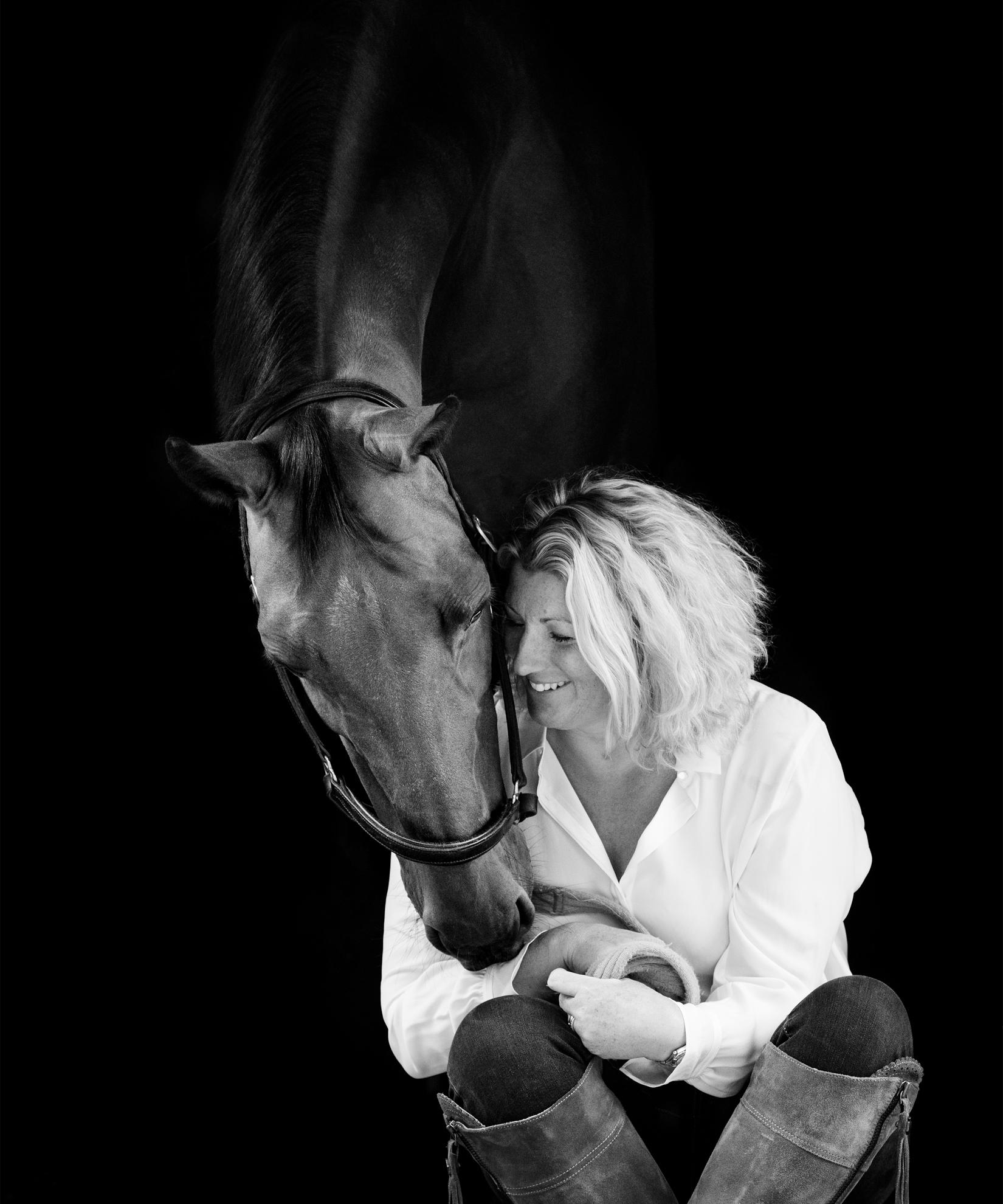
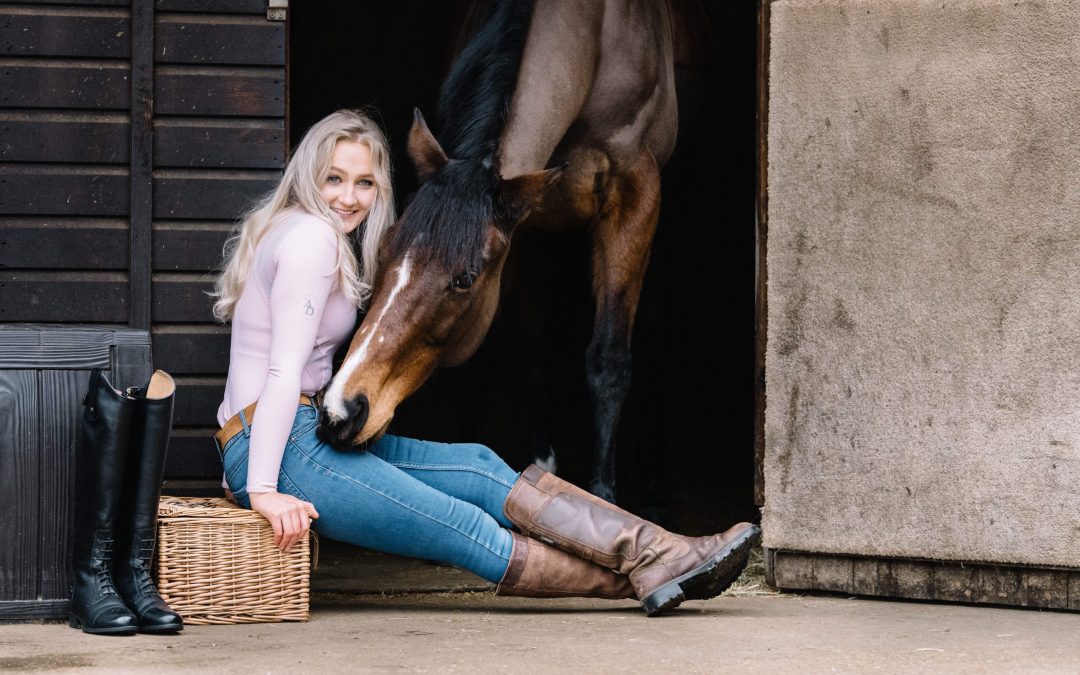
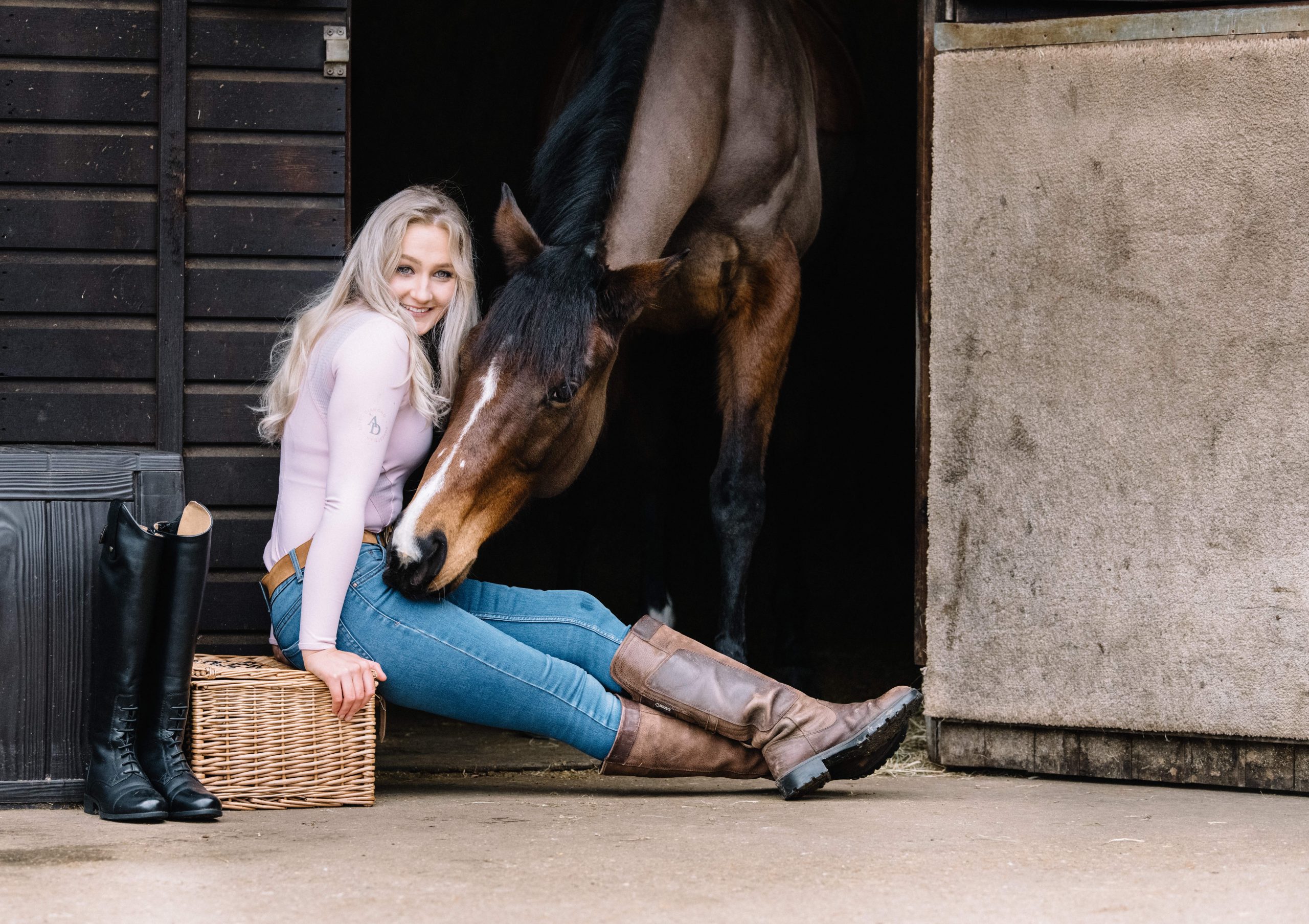
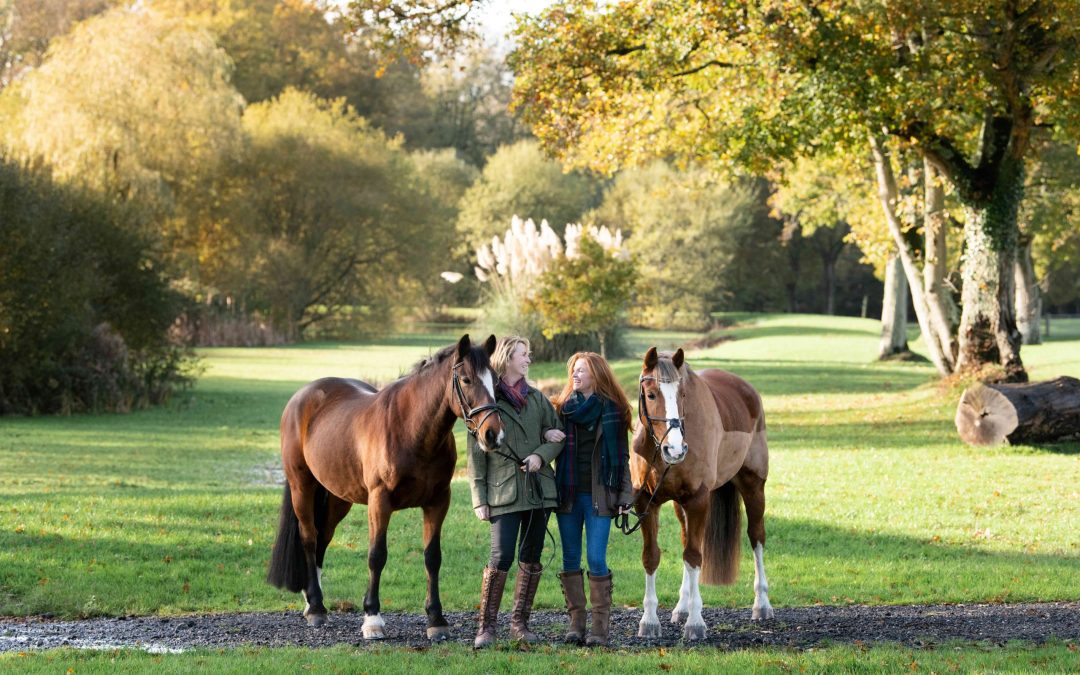
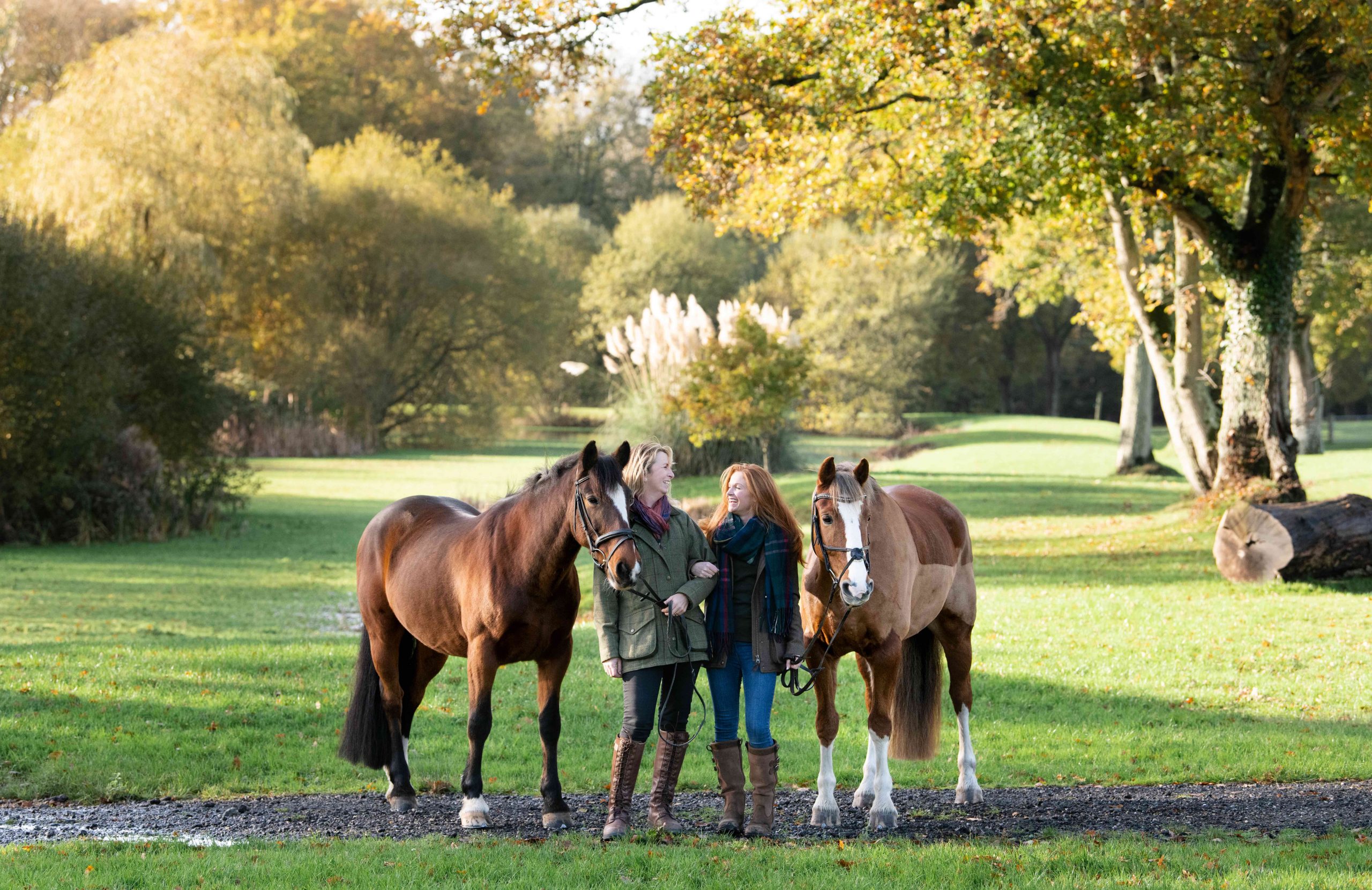
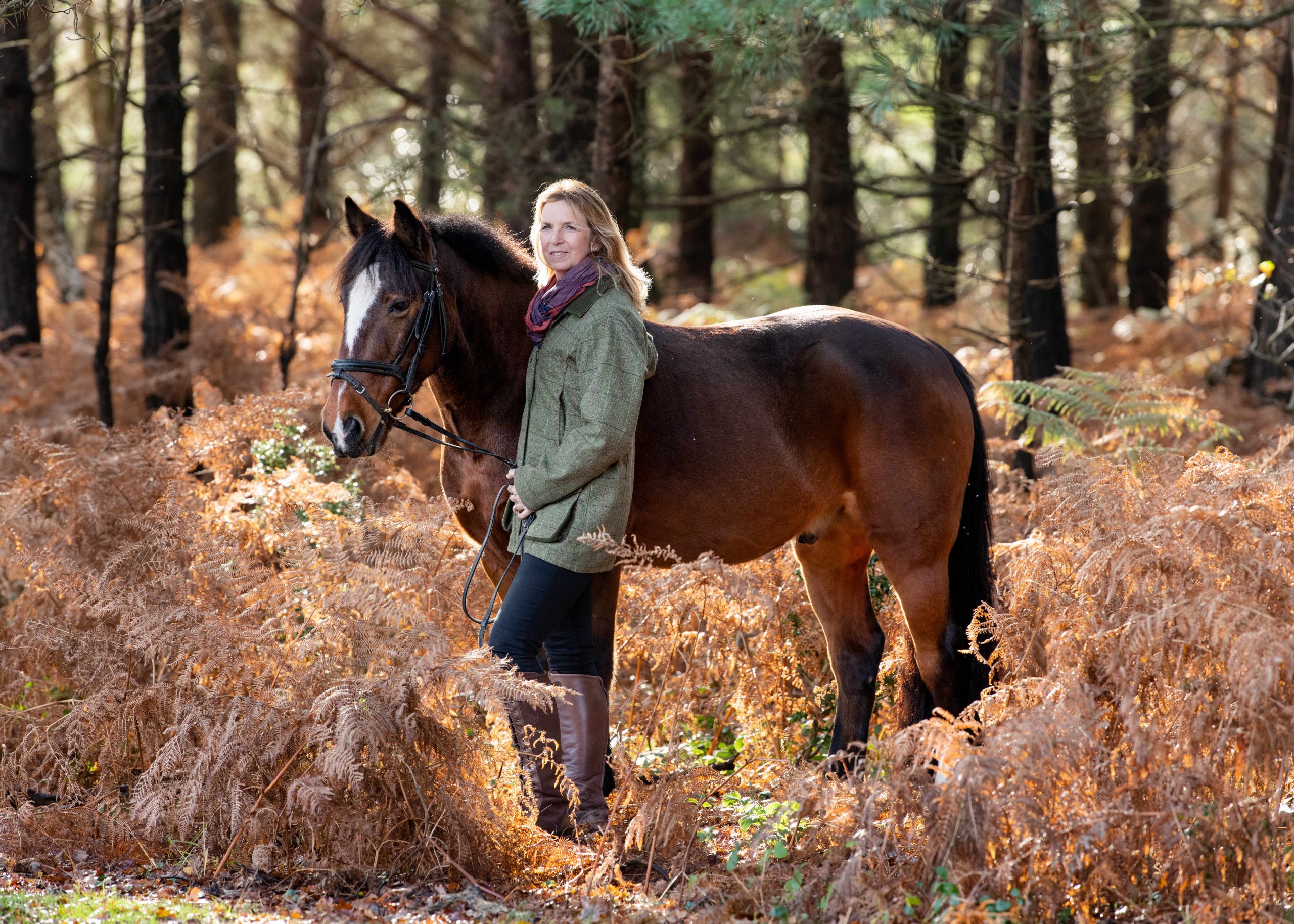
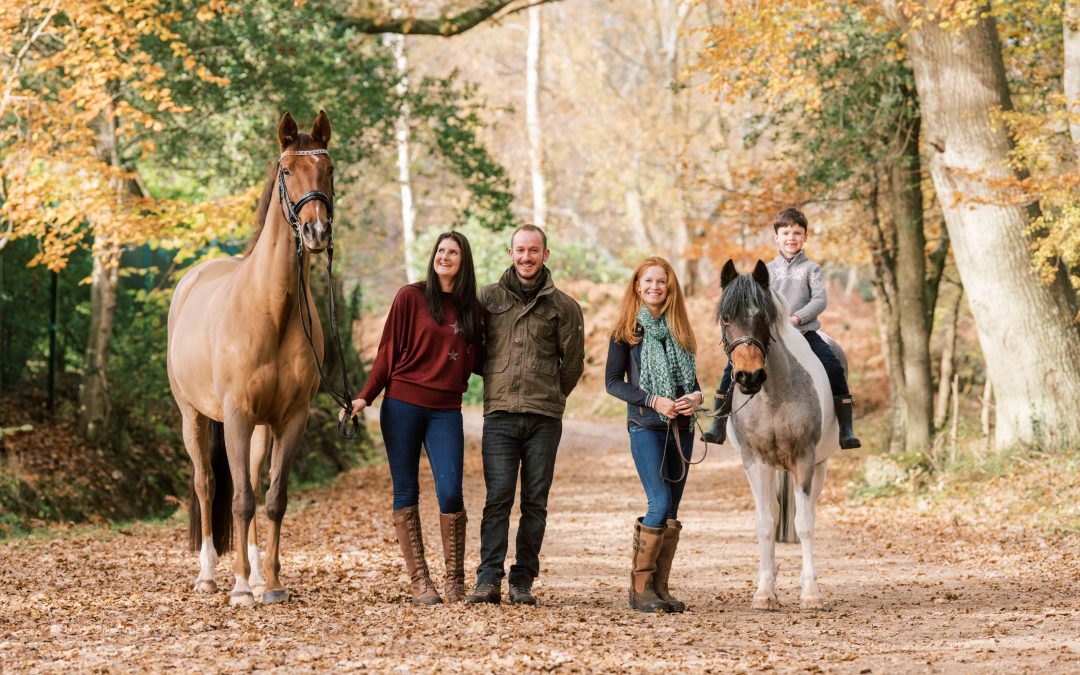
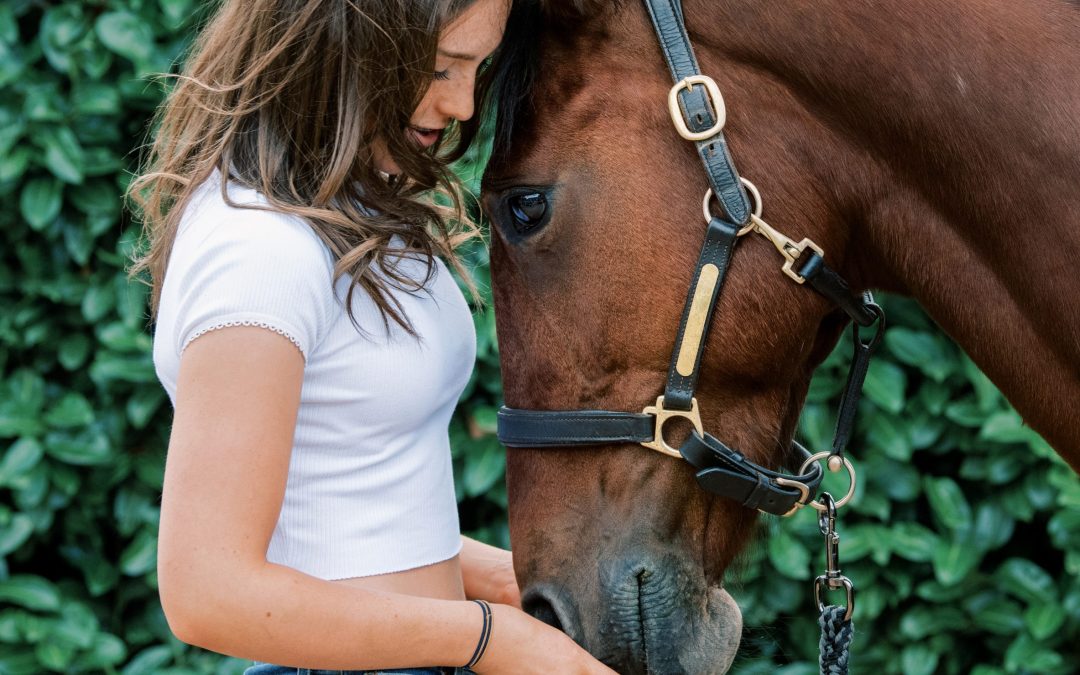
Give yourself some time towards the end of your equine portrait photoshoots to get creative and try creating some fine art photography. One of Emily’s most recognisable images (below) came from an equine portrait shoot.

In your garden

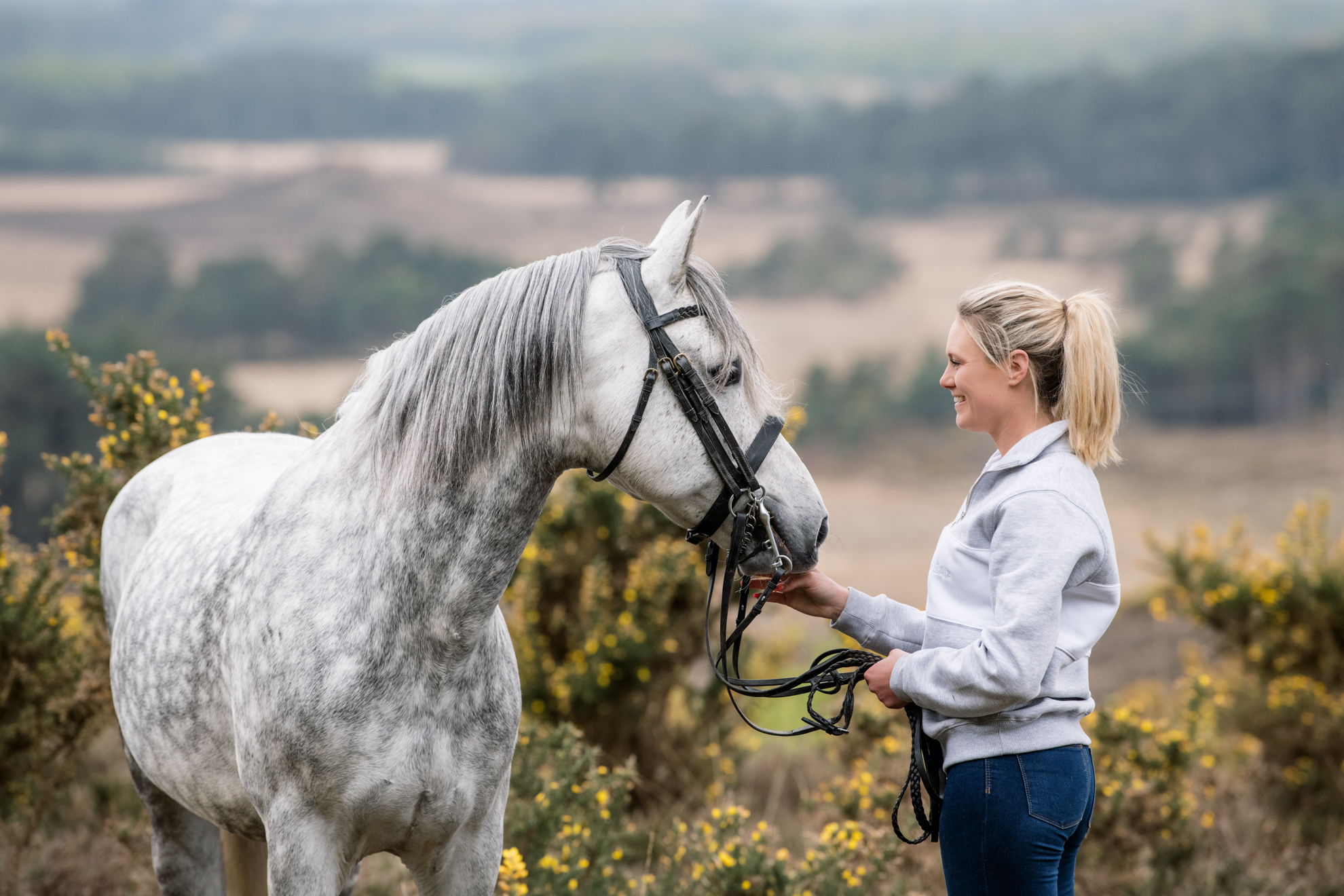
You don’t need to fly across the world to start creating fine art images. It can be on your back doorstep – it is all about recognising the opportunity in front of you. Maybe you or a friend have a horse that you can use and get shooting. It is a myth that you need a big production with a studio, lights and team to create fine art images (although this is something you can work towards if this is the kind of work you would like to do).

International Shoots

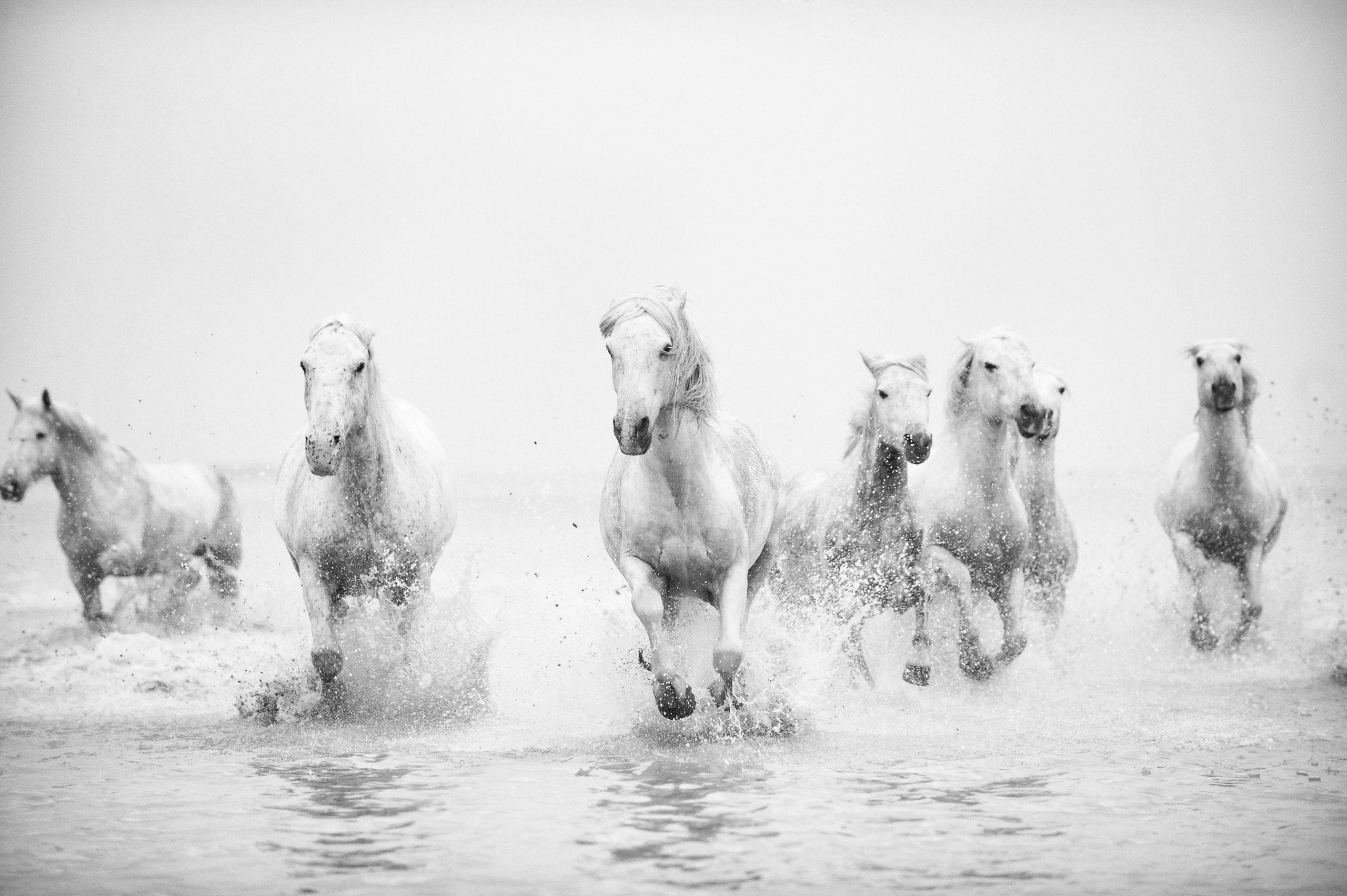
If you have always dreamed of photographing the beautiful horses of the Camargue running through water, or Icelandic ponies amongst the snow – make a plan to go out and go shoot it! International shoots require a lot of planning and investment, so set yourself a goal, make a plan, work out what you want to achieve with these images, what kind of collection you want to produce, the location, models you will need – plan plan plan and plan some more!

Now we have got you all excited about adding equine fine art to your portfolio, why not check out our upcoming Equine Fine Art Photography Workshop on Tuesday 6th – Wednesday 7th June.

Over two days you will learn how to capture the beauty of horses in a totally different way, be confident in setting up your own creative project and leave with a bank of incredible images to start or boost your fine art portfolio.

Building Your Portfolio

Building Your Portfolio

Building Your Portfolio

Your portfolio is your shop window. It’s the very first thing a prospective client looks at when they land on your website, and within seconds, they’ll decide whether you’re the photographer for them.

“We’ve seen it time and time again — photographers doubling the size of their portfolio in the hope that more images will impress a client. It never does. What impresses is clarity, consistency, and confidence in your best work.” – The Training Barn

They already have a rough idea of the style of images they want your job is to make sure what they see aligns perfectly with that vision. That means your portfolio has to do the heavy lifting, showing your best work, clearly and consistently.

Don’t Overcrowd Your Portfolio

One of the biggest mistakes photographers make is overfilling their portfolio. More is not better. In fact, it’s the quickest way to lose a client’s interest. If someone has to scroll through 50+ images, they’ll glaze over before they get to the end and worse, they’ll leave with no clear idea of your style.

Instead, curate. Hand-pick no more than 20–30 absolute standouts that showcase your style at its very best. If you’re tempted to add “filler” shots, stop. Remember: the weakest image in your portfolio sets the tone for the whole set.

Consistency Is Key

A strong portfolio is cohesive. That doesn’t mean every shot has to look identical, but your style should be clear and recognisable. Consistency builds trust: clients know exactly what to expect when they book you.

If your edit swings wildly from light and airy to dark and moody, you’ll confuse your audience. Find your voice and stick with it.

Curating for Clients

The same rules apply when you’re presenting images to a client after a shoot. Resist the urge to show everything. If you’ve taken 10 nearly identical shots, only show 2. Clients don’t want to agonise over which version of the same image is best.

We usually suggest presenting around 120 images, with the aim of selling roughly half through albums, wall art, and framed prints. That’s plenty for variety without overwhelming your client.

Ruthlessly Edit

This might sound obvious, but it’s where many photographers slip up:

  • Soft focus? Gone.

  • Eyes closed (horse or human)? Gone.

  • Awkward ears, odd mouth shapes, or anything distracting? Gone.

If you’re debating whether an image is strong enough, it probably isn’t. Only keep the ones that make you say, yes, that’s the one.

Final Thought

Your portfolio isn’t about showing everything you’ve ever shot — it’s about showing the very best of what you do. Think of it as your highlight reel. Keep it lean, keep it consistent, and keep it exceptional.

👉 Action Step: This week, set aside time to ruthlessly review your portfolio. Remove anything that doesn’t feel like a “hell yes,” and watch how much stronger your body of work feels.

How to craft a solid equine photography business?

How to craft a solid equine photography business?

Craft a solid equine photography business

Getting your business foundations right is essential if you want a thriving equine photography business. 

We believe in equipping our delegates with the essential business foundations necessary for a successful career. This is why on our first 2 online days (11th & 12th September 2023) on our Mastering the Art & Business of Equine Photography 1yr Mentorship we will cover all the basic ingredients you need to build and grow a thriving equine photography business.

Business Plan

You will start by learning how to craft a solid business plan that outlines your vision, mission, and target market. We will guide you in setting realistic goals and targets, helping you define the path to success and track your progress along the way. Understanding the financial aspects of running a business is crucial, and we’ll provide insights into budgeting, pricing strategies, and profitability, ensuring you have a solid grasp on the financial side of your venture.

SWOT Analysis

To assess your business’s strengths, weaknesses, opportunities, and threats, we will conduct SWOT analyses, enabling you to identify areas for improvement and capitalise on your unique strengths. The “Circle of Love” concept will be introduced, emphasizing the importance of client relationships and cultivating a loyal customer base through exceptional service and personalized experiences.

Branding

Branding plays a vital role in setting yourself apart in the competitive equine photography industry. We’ll delve into the intricacies of branding, helping you define your unique identity, create a compelling brand story, and develop a cohesive visual presence that resonates with your target audience.

Studio Workflow

To ensure efficiency and productivity, we will guide you through establishing an effective studio workflow. Learn how to streamline your processes, from client enquiries to image delivery, to create a seamless and professional experience for both you and your clients. By optimising your workflow, you can save time, increase productivity, and provide a stellar experience that keeps clients coming back for more.

Whether you are just starting out on your equine photography journey or already have an existing business in desperate need of an MOT – join us for one of our mentorship courses. 

Capturing the soul of horses at liberty

Capturing the soul of horses at liberty

Capturing the soul of horses at liberty

Having been life-long horse people, we know how important it is to understand horses; the way they move, their behaviours and individual characters to really get the most out of an equine photoshoot. 

To our clients, their horses are family and they have commissioned you because they want you to capture the soul of their horse and the relationship they have with them.

You must always remember that horses can be unpredictable and part of your job as an equine photographer it to get to know your subjects so you can have a fun, safe and successful at-liberty shoot.

Breeding & personality

Think about the breed of horse you are photographing and the type of images you might produce to truly capture its character. For example, if you were photographing an Arabian horse, they are typically firey so you might want to focus on the beautiful bend in their neck and the flair of their tail held up high as they run.

Plan, plan and plan some more

Carefully consider how you will use the location, lighting, compostition and post-processing to capture your subject. Are you going to zoom in tight to capture intricate details or capture the horse standing proudly on the brow of a hill for a dramatic shot? Are you going to shoot outdoors utilising natural light or indoors with artificial lighting? Are you going for high drama and dark contrast or bright and soft, with muted tones? Make sure to have an idea in your head of what direction you would like the to shoot to go in and how you plan to execute it. The more you plan, the more space you give yourself to get creative.

Safety

Set yourself apart as a true professional by covering all your bases when dealing with horse safety. Horses are unpredictable; all it takes is a rather scary looking plastic bag to make an otherwise reliable horse to freak out and head for the hills!

When shooting a horse at liberty, use an enclosed space – large enough to get the galloping shots (if that is what you are aiming for) but not too large that you will lose your subject a few fields away! Check to make sure gates are shut and fences are high enough that they won’t be tempted to go show jumping. Communicate your plans to the owner, but be aware of body language – our clients want to say yes but if there is any doubt make sure to ask more questions. Give your assistant/s a brief to ensure they are also aware of the basic rules of dealing with horses on the ground e.g don’t walk behind their hind legs. Remember to keep yourself safe as well – it is easy to get lost in the moment but you need to make sure you are avoiding flying hooves.

Be brave

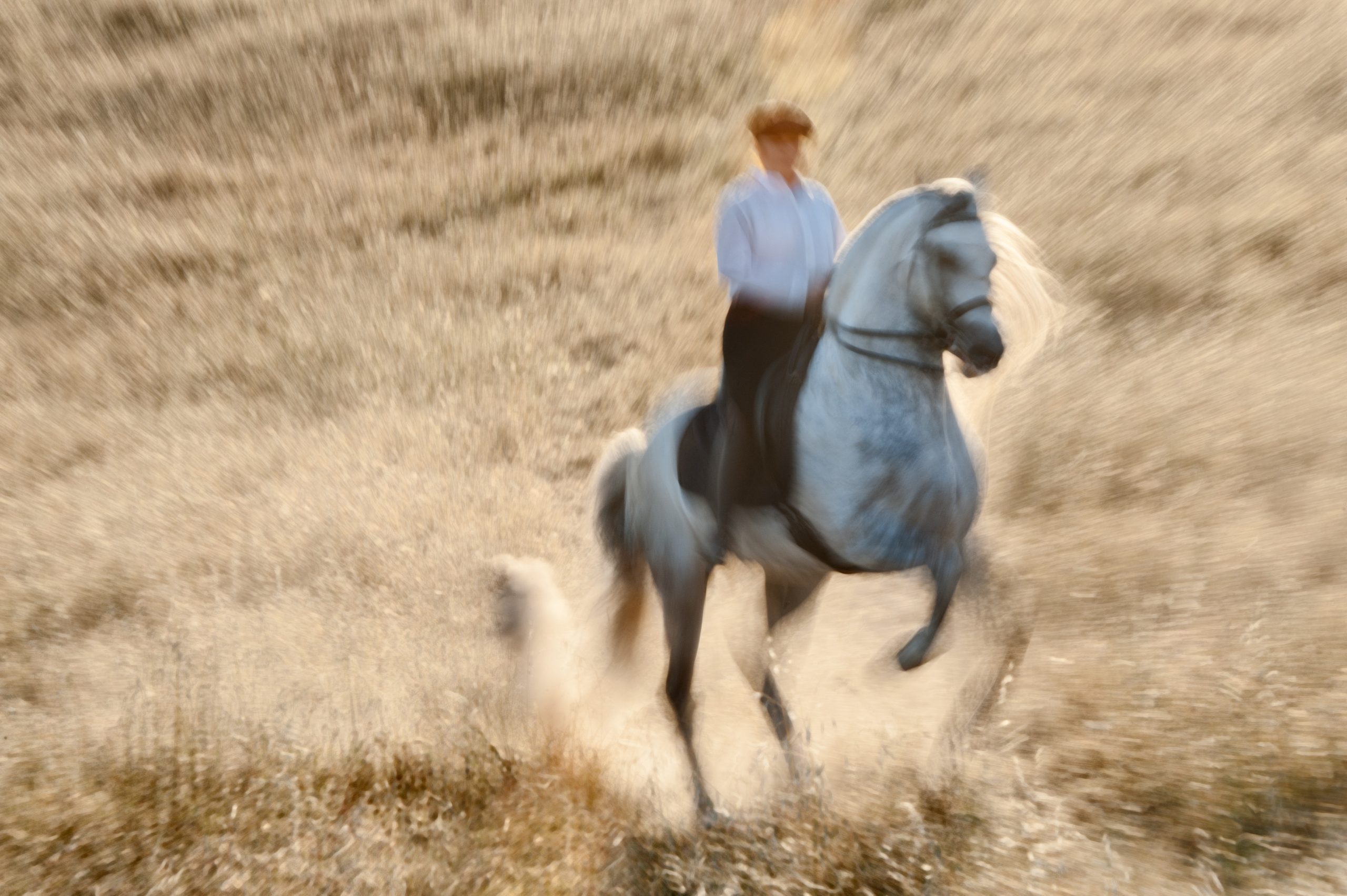
The photographers who make an impact in this industry are the ones who push the boundaries. Don’t let fear stop you – be brave, step outside your comfort zone and have fun with it! Experiment with different shutter speeds, angles, compositions, exposures, filters and so on – there are no limits.

Even if you come away from a creative shoot with only a handful of useable images, if you keep going out there and trying something new, your portfolio will start building up pretty quickly.


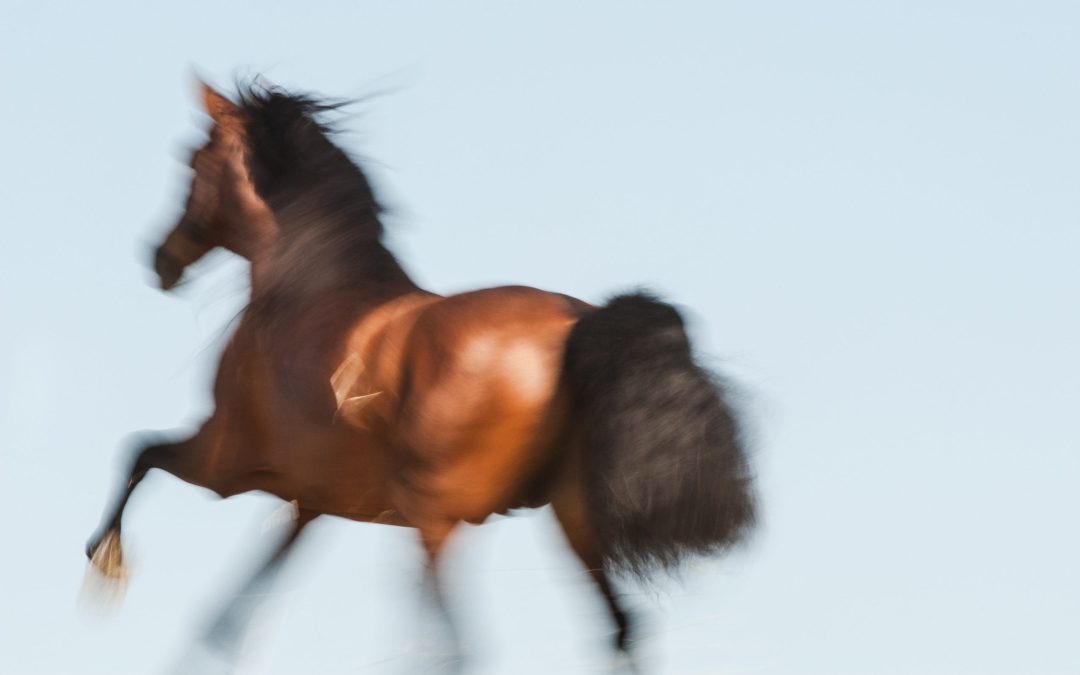
slow shutter speed galloping horse

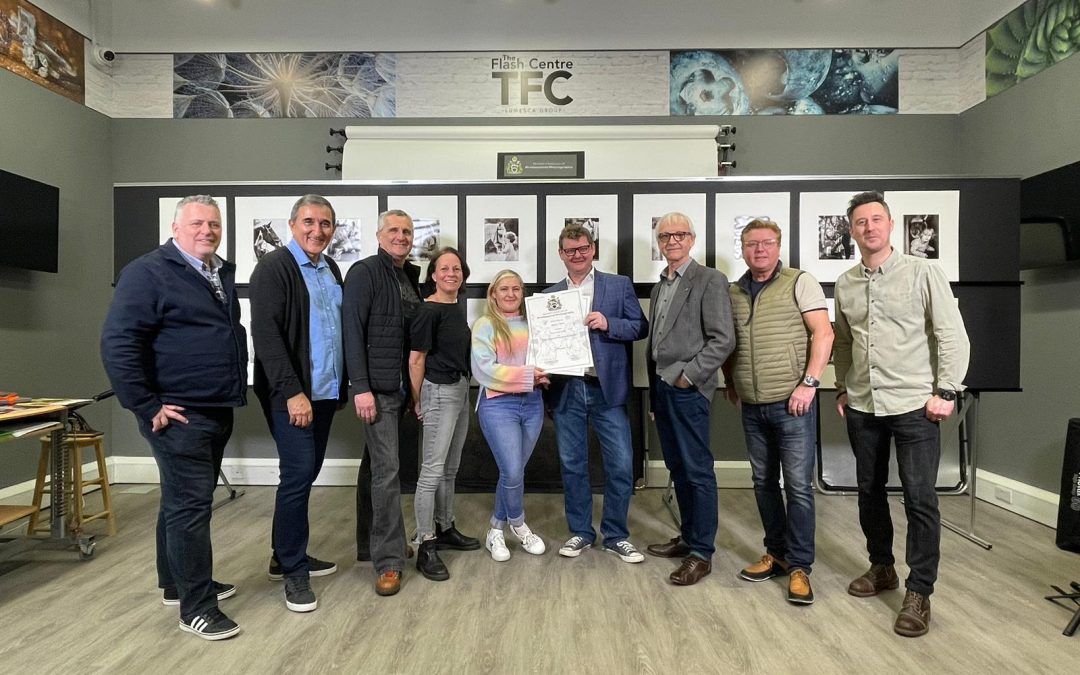
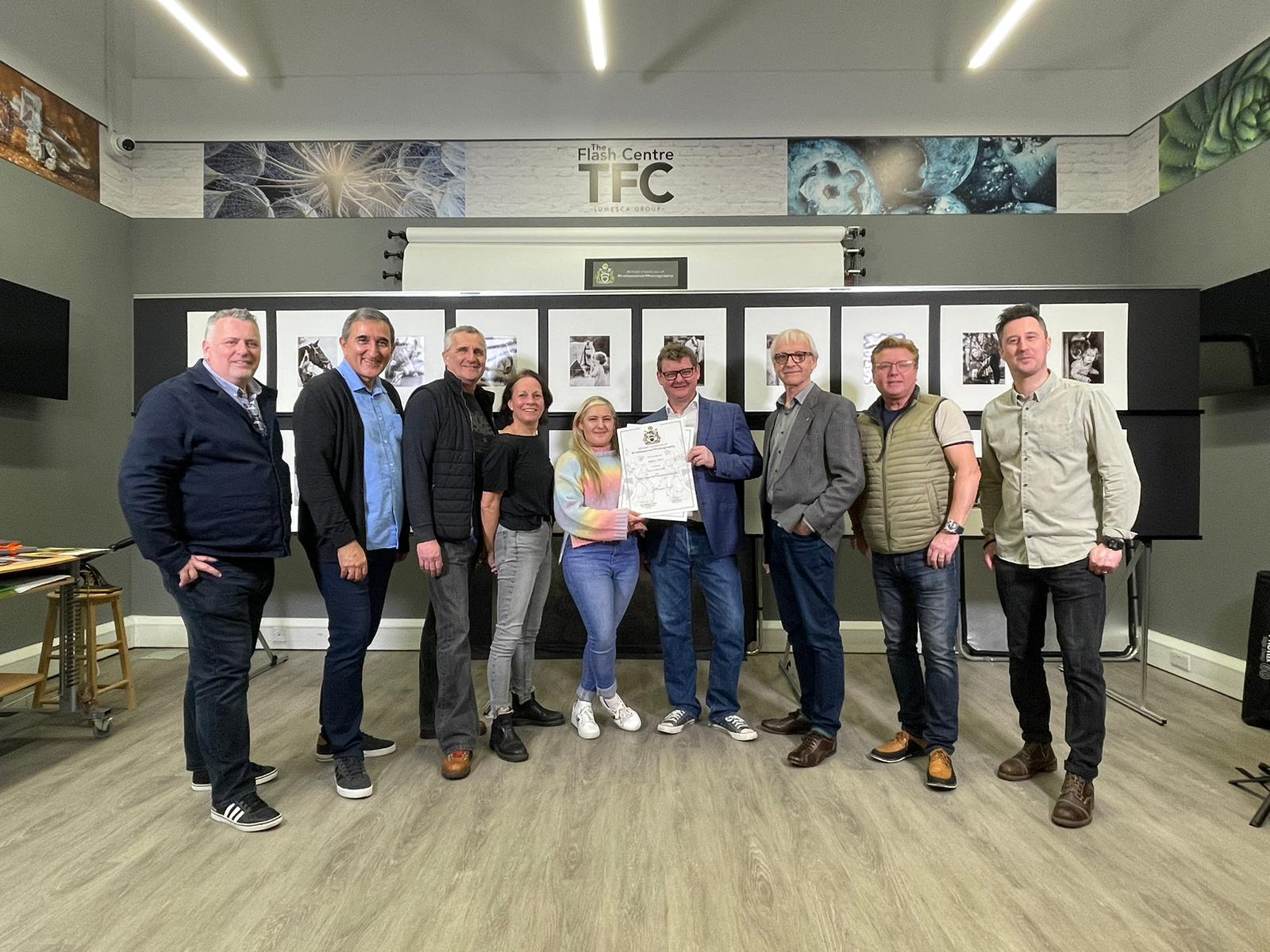
BIPP qualification for our Yearling’s graduate Imogen

BIPP qualification for our Yearling’s graduate Imogen

BIPP QUALIFICATION FOR OUR YEARLINGS GRADUATE

We were absolutely delighted to hear about Yearling’s 21/22 graduate Imogen’s recent qualification with the British Institute of Professional Photography, we just had to shout about it from the rooftops!

She applied for a Licentiateship and the judges were so blown away by her talent they upgraded her to an Associateship!

Imogen joined us on our 1yr Group Mentorship Course from 2021-22 and in six months since completing the course she has quit her full time job, increased her shoot fee and now bagged a qualification with the BIPP!

By doing her qualification she has learnt about critical cropping, highlights, colour grading, printing and creating a panel that sits together.

We couldn’t be prouder of Imogen – she is a true testament to what can happen if you put real effort and drive into your business and photography and the amazing things that can be achieved.

Check out Imogen’s full panel below:

How To Self-Commission For Equine Photography

How To Self-Commission For Equine Photography

Have you always wanted to try equine commercial photography but not sure how to get started?

You don’t need to wait for a brand to book you for a shoot – you can start generating commercial income through self-commissioning!

So, what is self-commissioning?

A self-commissioned shoot is the same as a model call to build your portfolio; you have full creative control and set up and take the shots you want. The aim is to produce a collection of images that you can go on to sell for commercial or editorial use.

Why self-commission?

First of all, it is a great way to dip your toe into commercial photography and build your confidence because you take the pressure off to fulfil a client brief. You can start building up your commercial portfolio and work out what you like to shoot, what you are good at shooting and start creating wonderful connections. A brand could see your commercial portfolio, fall in love with your images and want to commission you to produce the same style of images but with their products/branding.

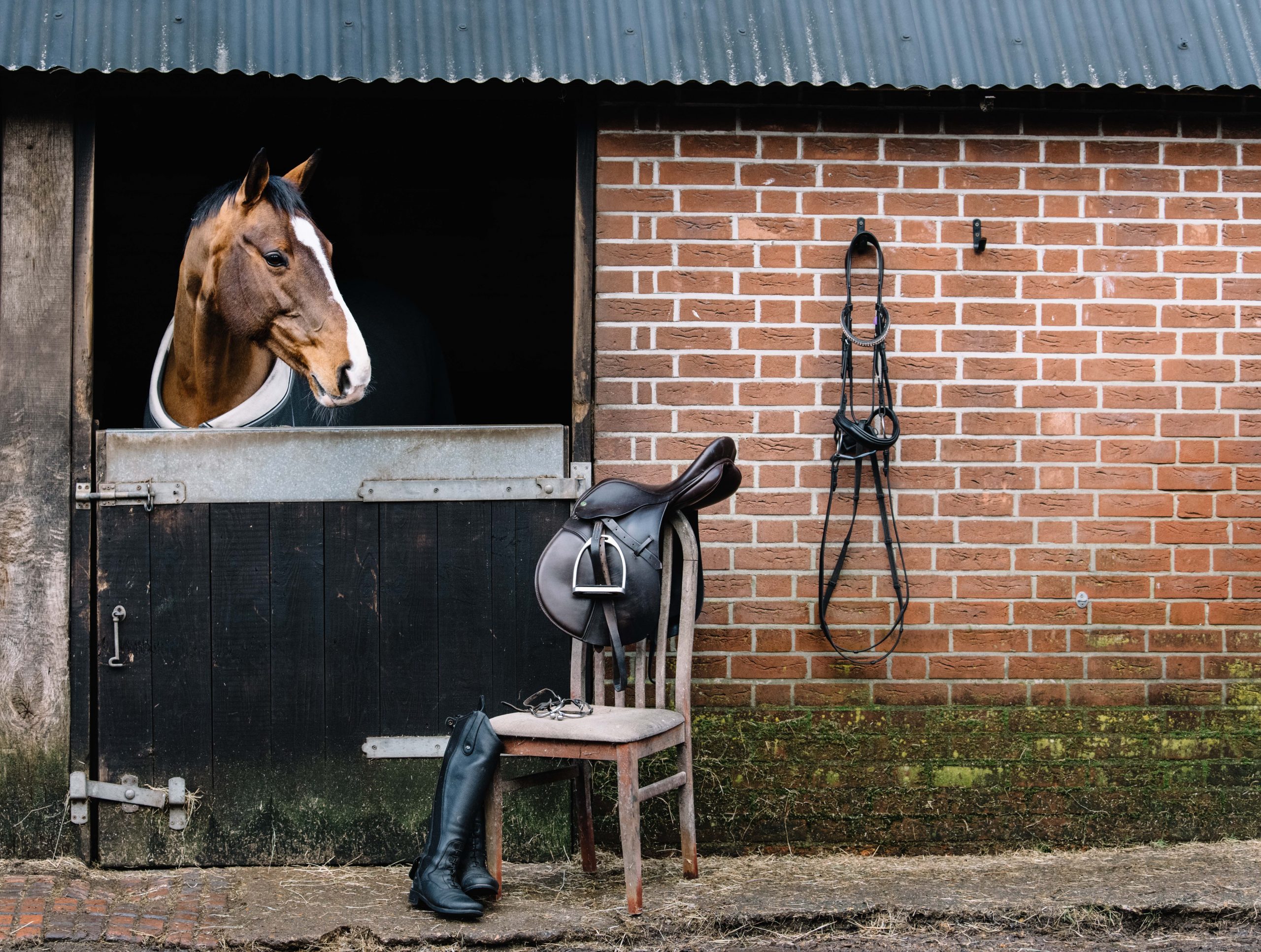
You can be truly creative and there are no limits – it doesn’t even have to include a horse, it could just be images with a country lifestyle vibe; a saddle resting on a stable door or an owner walking across their yard with their faithful dog at their heels.

The joy of selling your images commercially is you can sell the same image over and over again – now it may be for £35 but that one image sold several times can add up over time. You can have a passive income coming into your business that runs alongside your commissioned portraits.

equine commercial photography

Our top tips for nailing a self-commission:

1. Create a brief

When self-commissioning you still need to have your ducks in a row. You need to think about the outcome for the shoot. What you will need for the shoot, do you need to source models (horses or otherwise), a location, outfits, props? Do you need a make-up artist? What are your timings? Write out all of these details and more so have a clear idea of what you want to achieve on this shoot.

2. Think commercial not portrait

It is tempting to take beautiful, tight cropped portraits like you would on a commissioned portrait shoot but these types of images don’t necessarily translate to being used commercially. When shooting make sure to leave space in your images, on the left, right, bottom or top so that if a client wants to put text or logos or product images over the image they can. Edit your images clean; remove distractions and don’t go too creative with your edits – commercial clients need the images to sing but not louder than what they are trying to sell. Pick a wardrobe and props that avoid obvious branding that would mean the image would be instantly rejected for certain commercial use (e.g don’t have a NAF branded water bucket in the shot if you want to sell the image to Science Supplements).

3. Take action

You can upload all your beautiful images to an online gallery, put it on your website and just sit back and…nothing. YOU have to reach out and pick up the phone to magazines, tack shops, brands etc to create those connections and get your images selling.


Get in the habit of being creative

Get in the habit of being creative

Get in the habit of being creative

For better or for worse, our lives are largely carved out and structured around our habits. Breakfast at a certain time, daily chores and errands, how many cups of coffee?! (Still not enough, by our reckoning!) But your habits don’t have to just be the things you do on autopilot – you can create a ritual and a routine around the stuff that really lights your fire.

Experts reckon that 21 days is the sticking point for making or breaking a habit – do, or don’t do, something for that long and you’re in plain-sailing territory. 21 days is a pretty doable amount of time, right? Three weeks zoom by in about five minutes – so let’s put them to work.

This year, we want you to think about making creativity a habit. That might sound a bit counterintuitive – how can you make a habit of something that can vary so much each day? – but in doing so, you’ll train yourself to make actionable ideas out of the barest of inspiration.

Not sure how to get started? Don’t worry – we’ve got you covered…

1.The most essential factor? Carving out some you time.

Tricky? Sometimes. But setting a regular block of time for yourself every day – even if it’s just half an hour – gives you the breathing space to actually let your ideas take centre stage. Make yourself a priority in 2020 – you’ll be amazed how your business flourishes as a result.

2. Embrace others’ creativity.

But banish comparisons – you’re a different person, on a different path, with a different vision. Read biographies or features about creatives you admire, watch TED talks, and go to gallery exhibitions – they’ll all get the cogs whirring and let the muse in.

3. Get moving.

No, you don’t need to start scheduling gym sessions into your days (although if you want to, go for it!). But if you’re facing a bit of a creative brainfreeze, stepping away from your studio is the best way to overcome it. Go for a walk, muck out some stables, or carve out some time for a long hack – you’ll be amazed how many ideas you have when you let your brain wander aimlessly.

4. Boost your brainpower.

One of the things we miss about childhood is all that spare time to get lost in a good book. Reading has so many benefits: it flexes the muscles of your imagination, gives you motivation, and spawns new perspectives. If you really can’t squeeze in half an hour with a book, why not get into podcasts or audio books? Both will have the same impact: you’ll start looking at things from new angles.

5. Keep a journal of ideas and inspiration.

You can do this digitally, through sites like Pinterest, or you can fill a notebook or sketchbook with cuttings, scribblings, random ideas that pop into your head, and quotes. Either way, you’re exercising the creative part of your brain, allowing it to subconsciously cook up your next brilliant idea.

6. Collaborate.

Team up with other like-minded creatives to chat over coffee, pinball ideas, or even work together on a bigger project. You’ll not only benefit from the camaraderie and support, you’ll also find yourself seeing things from new and exciting angles.

7. Set challenges.

You don’t just need to be photographing clients and their horses all the time – in fact, any time you spend with a camera in hand and thinking playfully is enormously beneficial to you and your business. Why not embark upon a photography challenge this year, and step out of your own comfort zone?

We bet you can find half an hour a day for the next 21 days – and at the end, we’re even  ore certain you’ll be hooked on that creative time, with an even deeper well of ideas that  ever before to draw from. It’s time to dive right in and give them your full attention.

5 Steps to Actually Achieve your Goals This Year

5 Steps to Actually Achieve your Goals This Year

5 Most Important Steps to Achieve Your Goals

All to often years disappear before our eyes, and nothing much changes, most people start the year with some fly away goals of becoming better and braver and nicer and more loving….blah blah blah…..but I know the majority of creative people have hopes and dreams of becoming more successful in business and developing their creative side beyond their current level, so why is it that years drift by without any real changes?

Well there is one key factor that keeps my business evolving and moving forward year in year out and that is setting and implementing actionable goals. There hasn’t ever been a time in my life that I haven’t set New Years Resolutions and Goals.  I hold them fully responsible for my progress over the years and am so grateful for the quiet period between Christmas and New Year where all my targets are set in stone.


Here is a quick guide to help you make the transformations you need in your business for this year.

1)    Get Your Special Book:  Go and treat yourself to a really special note book and pen.  This is the start of a big journey so make sure it’s beautiful.

2)    Get a cup of tea and sit down: Find a clear gap in your diary were you can block at least 2 hrs of your time out to focus on your goals, and what you want to achieve this year.

3)    Sections to Cover: Consider each of these sections and what you would like to change from your current situation. Write down the heading at the top of each page and below write the things you would like to achieve.

Personal

  • Health and Fitness
  • Relationships
  • Finances
  • Hobbies
  • Vacations
  • Home

Business

  • Finances
  • Direction/Focus
  • Workload/Managing Time
  • New Projects
  • Personal Work
  • Upgrades Needed

4)    Actionable steps: Once you have brainstormed all the major changes you would like to make for this coming year, you then need to break these up into actionable goals.  Start a new page for each goal, put the goal at the top of the page and then write each actionable step down that you need to make.  Decide on a completion date and write this along side your goal.

4)    Reward Day: Always reward yourself for achieving targets.  For each big goal set, chose a suitable reward for completion day and note this next to the target goal.  I always like to include a very big reward if I tick off 100% of my goals for the year e.g a holiday somewhere hot!

5)    Honour your word and believe its possible:  This is a big part, now that you have all your targets and goals listed and a date set for completion along with the amazing reward you are going to get once complete, now is the time to take ACTION.  Step by step tick them off.  At the start of every month look through your special book and decide what needs completing, and schedule it in your diary.

This is without a doubt the most important thing I do for my business every year and is how I achieve the flow of progression.  Set goals every year, be consistent with your actions and you will soon be rewarded with magnificent changes to both your personal and business life!

Good Luck and remember to email me with all your successes!

How to Get Behind the Scenes at Major Competitions

How to Get Behind the Scenes at Major Competitions

how to get behind the scenes at major competitions

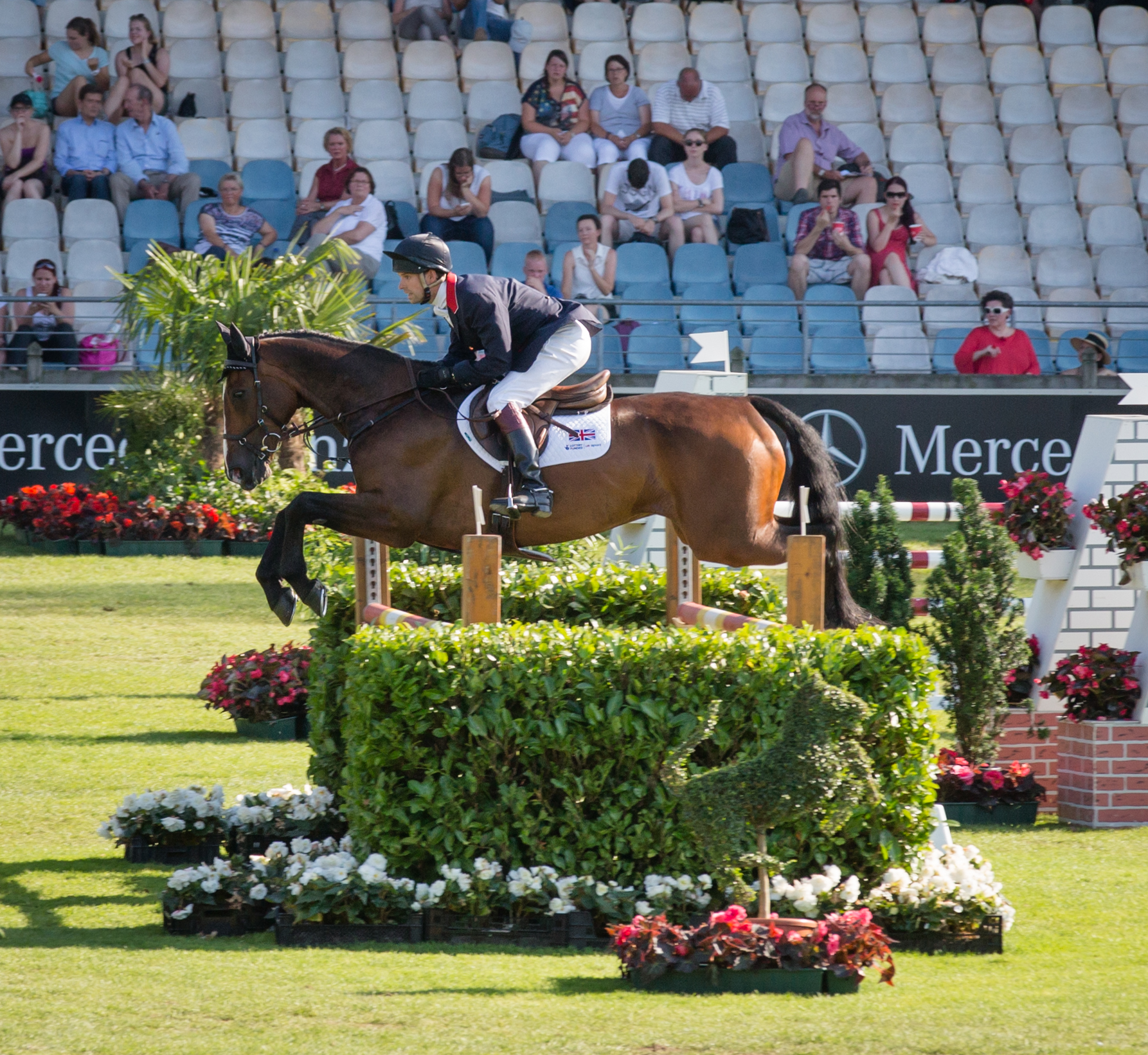
If you’re a horse lover, the chances are that you’ve watched at least a little bit of top-level competition. Maybe you’ve tuned into Badminton or Burghley’s thrills-and-spills cross-country day; perhaps you’ve ushered in Christmas with Olympia’s showjumping spectacle. It may be that you’re a keen follower of equestrian sport, with a discipline of choice and a working knowledge of its major players and the rules of the game.

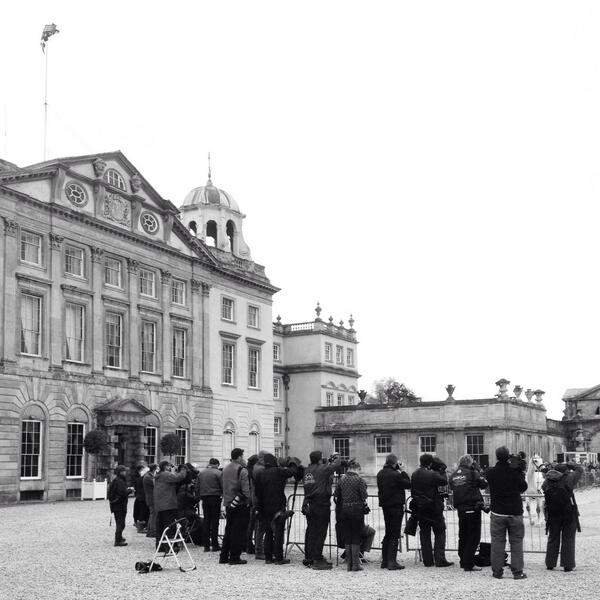
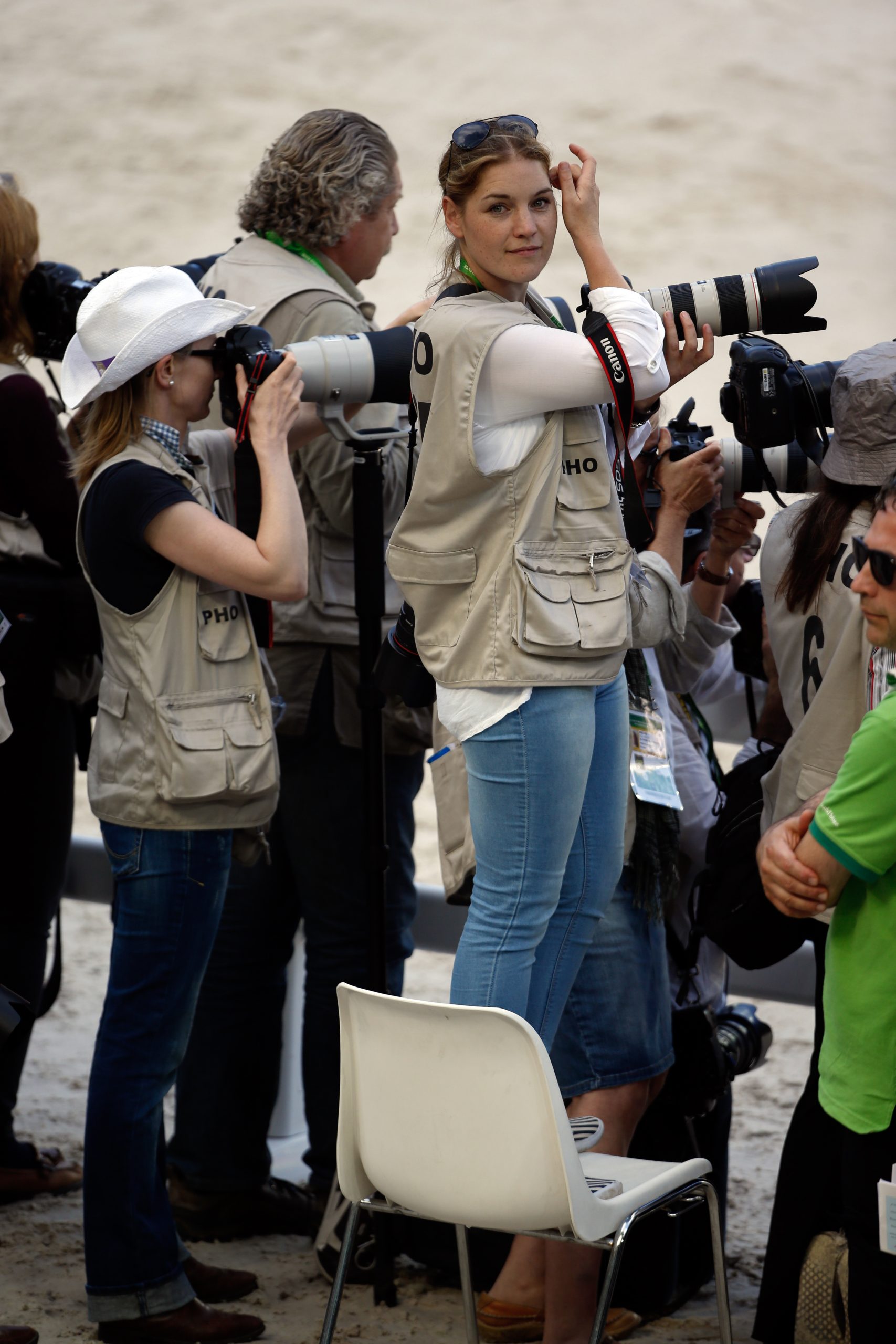
Regardless of which camp you fall in, you may have wondered what it takes to be one of the chosen few, bedecked in tabards and allowed to get up-close-and-personal with the action. It might be something you’d like to try for yourself, or maybe you’d even like to make competition photography the main part of your business. The great news? It’s not as tough to get in as you might think.

All the major competitions – the sort that you’d buy tickets for – will require you to attain media accreditation before you start snapping. This means you’ll need to affiliate yourself with a publication – either a magazine or a website – that will publish your photos. The biggest competitions are inundated with applications and tend to be quite picky about who they allow in, while slightly smaller internationals tend to be more lenient.

Don’t have any magazine connections? No problem. First of all, you need to start creating a section of your portfolio dedicated to competition photography. You can do this by accompanying a friend to a show and taking photos of them competing, but if your aspirations are at the top-level, you’d be best served aiming higher.

Many competitions will allow spectators to bring their cameras, although indoor shows tend to be more particular about this. Instead, aim for outside shows – county shows with big showjumping classes, dressage festivals, and 3* and 4* eventing competitions will all afford you plenty of opportunity to take photos, network, and learn more about your sport of choice.

Aim to take a mix of photos – action shots, candids, and the emotional moments before and after a rider’s round. As an unaccredited spectator, you won’t be able to sell these images, but you can post them on social media and in your portfolio. Want inspiration? Check out some of the best in the business: Jon Stroud, Libby Law, and Nico Morgan have all made careers out of editorial equestrian sport photography.

Once you’ve attended a few competitions and started to get your eye in – and a killer portfolio to boot – you can start to target publications. If you have a specific competition in mind, you’ll need to plan well in advance – some accreditations close weeks before the show. This information can generally be found on the show’s website, under the media
section.

Now, start to make a list of potential collaborations. Your local area likely has a regional equestrian magazine, and they’ll probably want coverage of a major competition, particularly if it takes place in your local area or if local riders are likely to compete in it. If you have access to an entry list, use this to strengthen your pitch.

Email the editor of your chosen publication in the first instance. This information can usually be found in the front pages, or via Google or LinkedIn. If all else fails, find the magazine or editor on social media and send them a private message, asking for the best email address to send a pitch to.

Your pitch should then be succinct, confident, and to the point. Introduce yourself briefly, outlining your experience and enthusiasm. Then, explain that you’d like to work with the publication and why – it helps to have read an issue or two here, so you can mention what you love about it. Then, explain that you’re aiming to make competition photography a more significant part of your business in 2020, and ask them if they would be interested in adding you to their freelance database.

You might not get the dream job straight away – there’s usually some competition for the Badminton and Burghley gigs. But many publications are surprisingly short of photographers to cover the smaller internationals. In doing so, you’ll gain experience and trust, which will consistently get you closer to the main stage.


One important thing, though: don’t work for free. It’s a surefire way to get yourself a bad reputation with other photographers, whose own rates are driven down by a proliferation of new faces willing to work for nothing. Set yourself a day rate and open it up to negotiation if you want, but make sure you’re getting something out of it. Otherwise, you could lose opportunities before you’ve even started. A publication may promise you the world, but if they can’t offer you payment, they’re feeding you empty promises anyway.

There are other ways to get yourself behind a camera at a competition. If you have a contact who rides at the top level, collaborate with them to produce behind-the-scenes imagery, which offers a fresh new insight into the life of an international rider. Or, contact the official show photographer and ask if they have any spaces open on their team. Most official togs operate a busy fleet of second photographers, especially at events, where multiple fences will need to be covered.

Patience and passion are key when it comes to making a name for yourself in this niche circuit. The hours are long, the weather doesn’t always play ball, and your days will be unpredictable – but it’s also exciting, emotional, and completely addictive. And just like portrait photography, it’s all about creating and capturing relationships.

Have you dabbled in competition photography?  


Figure out your ideal client- and attract them easily!

Figure out your ideal client- and attract them easily!

This blog is super important if you want to understand exactly how to target and attract your ideal client.

Early on in your career, you might think that any client is a good client. And that’s not entirely wrong – many of the clients you book will be brilliant, even if they’re not quite who or what you expect. But it’s absolutely vital that you know who your ideal client is. 

So, what exactly do we mean by the ideal client? Basically, this is the perfect human being you would utterly love to have phone you up. The person who, if they got in touch and said they loved your work and wanted to book in a shoot, would have you doing a happy-dance around your kitchen. It doesn’t need to be anyone in particular, but this person should fill a certain brief that only you can decide on. 

Take five minutes, grab a piece of paper, and let’s create a blueprint for this mythical unicorn of a client. In true Blue Peter style, here’s one we made earlier…

·         Female
·         Between 40-60 years old
·         Fairly glamorous
·         Lives in a sprawling country home
·         Has a disposable income
·         Reads Town and Country magazine
·         Drives a 4×4
·         Has a second home in London, where she enjoys trips to theatres art galleries
·         Has children, who have their own ponies
·         Keeps the horses – and the ponies – at home
·         Employs a member of staff to take care of them
·         Values quality photography and art
·         Values and respects the time and skills of the creatives she works with

This is the level of specificity we’re going for – so don’t skimp while you’re working this out! Jot down anything and everything that your perfect target client might embody. Now, with the essentials hammered out, ask yourself a few questions…

·         What magazines do they read?
·         Do they attend equestrian events? Which ones?
·         Do they like to eat out? 
·         Are they a member of a professional body?
·         Do they attend Pony Club rallies or competitions?
·         What does their friendship group look like? 
·         How do they fill their spare time?
·         What would their perfect birthday present be?

What’s the point of all this, then? Well, once you’ve figured out your perfect client, you’ll find it a lot easier to target your marketing so that it not only reaches them, but so it connects with them, too. Plus, you’ll be able to put yourself in front of them – are they art exhibition visitors? Do they always go to Badminton and Burghley? Can you find them sipping champagne at the polo in the summer months? Brilliant – now how do you make sure your work has a presence there?…

For example, maybe you live near a gorgeous high-end country pub. This place tends to attract people with a disposable income who are happy to – and able to – drop £100 on an impromptu Wednesday dinner. Great! Now what are these people doing while they’re there? Do they sit on the armchairs by the fireplace, sipping a glass of red and browsing the magazines on the coffee table? What magazines are they? Can you get an advertisement into them? Or could you supply the pub with some gorgeous framed prints, and ask them to keep your brochure or your card on the side?

All it takes is one person to see your work, pick up your card, and take it home. Then, they end up on your website, browsing your images or your social media and connecting more and more with what you’re doing. Perhaps they tag a friend in an image they love. Maybe they give you a follow and a couple of likes, which pop up on their friends’ timelines. Perhaps they don’t buy just yet – or maybe even ever – but with very little effort, you’ve maximised your passive marketing and broadened your reach to include more of your ideal clients.  

Maybe, a couple of weeks down the line, that same person – or one of their friends, who saw their ‘like’ pop up on Facebook – spots your work on a stand at the local point-to-point. They feel a little rush of familiarity, which stops them, and they wander over to your stand for another look. Now, you’ve made a connection – your work is suddenly familiar, and it’s married with a place that’s comfortable and welcoming for them. Bingo.

It’s so important that throughout your business – your website, your social media, your marketing – your tone speaks directly to that client. Want a golden nugget of truth? In speaking only to your ideal client, not only do you entice and encourage them – you also naturally weed out those clients who won’t be a good fit for you. And that’s a great thing – and a huge time-saver and stress-remover for you.

The truth is, you’ve got tonnes of opportunities to speak to this mythical perfect client. You can use your own platforms, you can head to the places that are important to them, you can visit livery yards and tack shops, you can collaborate with influencers who they’re likely to follow – the list goes on and one. But throughout all these outlets, you need to make sure your voice remains consistent and targeted to them.

A final thought…

What’s the collective noun for a group of ideal clients? We’re not sure – but what we do know is that they often do come in groups. They might be on a luxury livery yard together, or part of the local hunt, or the mothers of children at the local Pony Club. By advertising to these groups en masse, you can become the go-to photographer for them. Speak to yard owners, hunt secretaries, Pony Club secretaries and so on to see how you can work with them – and don’t be afraid to start with a promotional deal to get the ball rolling.

Want to learn more on how to find and reach your target client? For a LIMITED TIME only, we are offering The Business Series Online Course for an amazing 70% OFF! This course is self-paced, with over 10hrs of content and once purchased you get lifetime access , allowing you to return time and time again.


How to make the sale – without being a sales person

How to make the sale – without being a sales person

How to make the sale without being a 'sales' person

So the sale…this is where photographers often get scared!

This moment is when you know if you are making money or not; this should be exciting, the fun bit! But most photographers think this is the scary bit – what if they say they hate my images, destroy all my self confidence and don’t spend a thing??

The difference is, if you have put in the necessary prep-work beforehand, this is NOT a sales pitch; you have already done the selling. Here you are holding your client’s hand and guiding them to decide what images they want to keep forever and to make history. Remember, these images that you are framing for them are going to be in the family for years. Don’t leave money on the table – it is vital you get this stage of your client’s experience right. Set yourself up for success by doing all the necessary prep-work first, so by the time it gets to the in-person viewing it is a joy and the sales come naturally.

1. Preparation is key

By the time you get to viewing, all the selling should be done. Your client should have seen and been walked through your price guide from the start so they know what you offer. The last thing you want is for them to get sticker shock at the viewing when you hand them the price list!

Build their excitement from the very beginning; develop your own patter through your communications before, during and after the shoot:

“You will need to build a whole gallery to fit all of your gorgeous frames!”

“Oh, that is definitely a shot for the album”

“These are stunning, you are going to have such a hard time choosing your favourites!”

Answer questions before they ask them; how will they see their images, what products do you offer, will the frames come ready to hang?

2. Continue the journey

If you take your client through your amazing shoot experience, being with them every step of the way from booking to the main event, then finish the experience by sending them an online gallery you are effectively dropping their hand at the last stage.

You have built up this trust and you don’t want to break it now. This luxury experience needs to continue and this is where we strongly recommend doing in-person sales. Now this doesn’t necessarily mean you have to be ‘in-person’, zoom can be your friend here, but the vast majority of our in-person sales have been done face to face. Invest in good IPS software (we recommend ProSelect) to make this process even easier for you and your client. Explain how long the in-person viewing will take so they can carve out dedicated time to experience their images for the first time.

3. Make it high end

Think carefully about the products you choose to show your client. They need to be made of the highest quality, all with beautiful details. Have a selection of stunning samples on offer to inspire them, making sure to have at least one example of each product on your list. Don’t overwhelm them with 20 different frame options – keep it simple with a wood, dark and light frame. However, have your framer’s brochure to hand so you can accommodate for their personal tastes and decor.

 4. Keep it fun

This is an enjoyable, emotional experience for your clients. Most clients will buy from an emotional place so take your time, don’t force them into a sale, let the images speak for themselves and just guide them every step of the way. If you are hosting at your own studio space, set the mood with scented candles, twinkly music and freshly baked cookies. Leave out a box of tissues to hint that this is going to be emotional! Listen to your client, suggesting solutions to their questions without being pushy.

5. Simplicty is key

Don’t stop the 5* service at the final hurdle – you have to see the sale through. Make sure you have a payment system in place so you can take payment there and then at the viewing. Have all the necessary order forms and paperwork to hand. This should feel like a relaxed experience and all your clients need to do is pick their favourite images and you will sort out the rest.

6. Under promise and over deliver

If it usually takes 2 weeks for frames to arrive, tell them it will take 4 weeks. That way if there is an issue with printing or the frame arrives damaged you can easily fix the issue without worrying your client. If it arrives before the 4 weeks then it is like Christmas has come early for your clients!

Do you still feel a bit queasy about the sale? Are there some glaring gaps in your business that are preventing you from hitting those big sales? Do you want high end clients NOW and to start making lots of money but don’t know how to get there? 

You have two options – you can do it the hard way or the easy way! For photographers who are ready for the next step, we have a whole YEAR of mentorship waiting for you with the 1yr Group Mentorship Course, starting September. This is a step-by-step course to build the equine photography business of your dreams, by attracting the perfectly targeted clients EVERY SINGLE DAY without the confusion and overwhelm of doing it alone.

Take Charge of Your Personal & Professional Development

Take Charge of Your Personal & Professional Development

Take charge of your personal and professional development

You’ve worked hard and dreamed for ages, and you’ve finally done it: you’re a fully-fledged equestrian portrait photographer. So that’s that, right? All set, and you’ll be happy to be where you are now forever.

Except, well…that’s not actually how it tends to work. By nature, we all seek out the next challenge, and as a self-starting creative type, you’re more likely than anyone to want that. So how can you continue to develop and grow, both personally and professionally, without totally rebooting your business and starting from scratch?

The key is to constantly revisit your goals on both a micro-and a macro-level. A micro level goal is something small but significant – it might be to master shooting with a small prime lens, or to create the perfect black-and-white edit. A macro goal is something much bigger, with longer-term effects: you might want to branch out into editorial photography, or start doing weddings, or become a travel blogger.

Your personal life will be studded with big and small goals, too. Maybe in the long term you want to buy a fixer-upper in the Cotswolds; perhaps in the short-term you want to learn to speak French. In either case, all your goals are important, because they light a fire in you that’s so essential to who you are. Working towards completing them will offer shifts in your perspective that allow you to constantly morph your reality towards
something new and wholly satisfying.

Feeling stuck? It happens to us all, and it’s usually best fixed by seeking out inspiration. Read a book, watch a film, take a weekend trip somewhere new, or simply explore your city with fresh eyes. Sign up for a class to learn something you’ve never tried. Download a podcast about a subject you know nothing about.

Pushing yourself out of your comfort zone is one crucial way to continue your development, but working within it is really important, too.

How can you take your business, or your work, to the next level? Can you try a new style of photography, or sign up for a programme that allows you to travel and learn, or find a mentor? How about becoming a mentor? It can be as simple as trying out an online tutorial for a new editing trick.

None of this necessarily means that you’ll abandon the new career you’ve worked so hard to develop. Quite the opposite, in fact: all your experiences will shape who you are as a photographer. Maybe you’ll finally decide to read War and Peace (it’s okay to skim the war bits, they’re kind of dry), but that doesn’t mean you need to become an expert on Russian military strategy – you could just be inspired to shoot a winter scene inspired by hussars and noble ladies.

Taking a course in editorial fashion photography doesn’t mean you need to work for Vogue and become the next Annie Liebovitz – but how interesting would it be to combine what you learn with your equestrian pursuits? There aren’t many horsey photographers shooting in that high-end studio style; maybe that’s your niche. Or perhaps you’ll pick up a creative hobby, like painting or embroidery, and discover a well of ideas for mixed-media pieces.

The moral? Never stop exploring, and never stop finding new ways to feed your hungry soul. It could just lead to your best work yet.

Money, Money, Money: Have the Chat That No One Loves

Money, Money, Money: Have the Chat That No One Loves

money, money, money - how to have the chat that no one loves

 Is there anything worse than talking about money? (Okay, war and all that sort of thing aside, of course…!) First, you go through the agonising and uncomfortable process of actually setting your prices, and then you’ve got to talk about them to your clients, too. Just like horses, they can smell fear – and when they do, they start haggling.

 A fear of talking about money with clients tends to stem from one of two things – and sometimes a little of each. Either you’re generally insecure about your financial situation, and any acknowledgment of it makes you feel a bit sick, or you’re insecure about your work, and worried that someone might turn around and tell you that it’s not worth what you’ve priced it at.

Well, for one thing, if you meet someone who says that, consider it a blessed relief. Do you really want a client who’s a bully?! Absolutely not. You can weed these guys out from the get-go by making sure your prices are transparent. Make it really easy for a visitor to your website or social media to find out how much a shoot will cost them. Then, they can move on if their budget doesn’t match up. In the interest of transparency, we also like to provide a product price list in the welcome pack that new clients receive. That helps us all to avoid sticker shock when the viewing rolls around.

Being confident enough to discuss the prices you charge comes from being confident in why you’re charging those prices. That means you need to put the time into your pricelist – no arbitrary numbers allowed. Instead, work out what your time is worth, what your outgoings are, how many shoots you plan to do per month, and the amount of money you need to be bringing in. With all that information, you can start to tailor a price list that makes sense for you.

With a price list that’s firmly rooted in reality, you’ll find it much easier to stand your ground when someone tries to push you around. This isn’t to say that you should never make deals – but it needs to be your own decision, and it should be because you can see a potential long-term benefit, like repeat custom, or access to a wide network of new clients.

Part of the reason it feels so excruciatingly awkward to chat about finances is because it’s so at odds with British mannerisms – you simply don’t do that in polite society, right? Well, bollocks to polite society – you’re providing a service, and your client wants to pay for it – it’s as simple as that. The best way to get rid of awkwardness? Keep a smile on your face and, as they say in showbiz, fake it ‘til you make it.

Try this. Pour yourself a glass of wine and stick on some girlpower anthems (yes, Bridget Jones, you can have your Chaka Khan!). If you’re confident your pricelist is as it ought to be, you’re going to move on to justifying why that is. First, I want you to make a list of all the reasons why someone should, and will, hire you. What’s unique to you? What experience have you got? What makes you great to be around?

Next, write down all the ways you go above and beyond for your clients. Do you always buy the nicest biscuits for your viewings? Do you offer styling advice on shoot days? Have you always got a packet of Polos in your pocket? Does your shoot come with a beautiful print?

Finally, jot down your successes. You might just be starting out, and that’s fine – just making the leap into this industry is a huge success. Hitting an Instagram milestone or getting a ‘like’ from a big name is, too. Booking your first client is major. Having a client cry upon seeing their photos definitely counts, and if they book again or recommend you to their friends? BIG wow! Success can be defined in so many ways – so jot down the big
wins and the little ones.

All done? Fab. Now you’ve got an awful lot of justification for why your prices are what they are. Someday, you’ll put them up again – and you’ll be able to look back on these lists to boost your confidence then. And you know what? We reckon you’ll be able to add a few things to them, too.

The 5 Common Mistakes New Equine Photographers Make

The 5 Common Mistakes New Equine Photographers Make

5 common mistakes new equine photographers make

Every day behind a camera is a new adventure, but the best – and often, most frustrating, adventures come with a heaping helping of trial and error. We want to help you reach the next level as quickly as possible, so we’ve compiled some of the most common mistakes that we see new equine photographers making. Are you guilty?


  • Not shooting RAW. Many new photographers rely on JPG files because they’re familiar with these as image files. But in doing so, you do yourself a massive disservice. JPG files depreciate in image quality every time they’re edited, and they don’t hold information in the same way a RAW file does, so blown highlights or dark shadows, for example, can’t be fixed. Instead, make space for large, information-heavy RAW files – you’ll be able to make as many edits as you need to, save images that you didn’t nail in-camera, and export a high-quality, gorgeous JPG at the end of it.

  • Not studying equine movement. Many equestrian photographers get into the game because they’re avid riders themselves, and in this case, they’re usually innately aware of which point of a stride looks most appealing. But if you’re less familiar with the intricacies of movement, it’s worth taking the time to study it and see what the most commonly-used and appealing moment of each stride pattern is. Our recommendation? Go old-school and look at Muybridge’s motion studies. They revolutionised equine art, as no one knew quite what a horse’s canter stride looked like before they were released, and they’ll change the game for you, too.

  • Not panning to capture movement. There’s a huge amount of luck involved in capturing a sharp image of a moving horse if you’re always just waiting for it to pass in front of your camera. Instead, follow it, continually adjusting your focus – or using a continuous focusing mode to do so for you. Hey presto – you’ll nail the shot, almost every time.

  • Treating every breed or type the same way. Horses are endlessly unique, and that means each of them deserve to be photographed for their strengths, not their weaknesses. Sports horses are elegant and leggy, and will be able to pull off poses and angles that won’t be as attractive on a cob. Look for your model’s positives – does he have a kind eye, or look strong and noble? Perhaps he has unique colouring that would be best emphasized against a stark black background. Once you’ve spotted the things that make him unique, you can begin to tailor your shoot around emphasising those features, rather than using a one-size-fits-all approach.

  • Playing the comparison game. The equestrian photography scene is rapidly expanding, and there are so many incredibly talented people making their mark on it. Does that mean you should try to emulate their work? Nope. What separates the greats is their ability to put their own stamp on the genre. By all means study their photos, try to work out how they were taken, and rework some of their techniques and concepts into your own images, but always keep in mind that you won’t truly be successful unless you’re true to yourself.

You Know You’re an Equestrian Photographer When…

You Know You’re an Equestrian Photographer When…

You Know You’re an Equestrian Photographer When…

…you’ve long embraced the beauty of streamingservices, so you don’t keep any music downloaded on your phone – instead,you’ve got a couple of tracks of horses whinnying. Great when you need to get some errant ears forward on a shoot, less so when you turn your car on and immediately deafen your passengers with a rather fruity stallion serenade.


…you know that size matters, but how you use it is more important – that’s lenses, of course.

…in an effort to channel your inner Jon Stroud, FEI photographer extraordinaire, you’ve spent a whole morning wrapping your lens hoods in patterned gaffer tape.

…you can’t go to a show without documenting it. Even after multiple trips to the champagne bar at Olympia, you’ll be determinedly uploading your blurry iPhone snaps into VSCOcam – you wouldn’t be caught dead using Instagram’s native filters, after all.

…you have to stop buying fashion magazines after Vogue commits yet another cardinal sin – this time, an upside-down headcollar. After an hour of puzzling over it, you still can’t work out how they got it on.

…you think you’re a pretty rational person, until a muggle – that is, a non-photographer – makes a remark to suggest you must have a very good camera to produce such good photos. Truly, officer, I don’t remember a thing – I must have blacked out!

…you find yourself on the receiving end of more than a few funny looks when, in the middle of family Christmas, you cluck at your cousin’s kids to try to get them to smile for a photo.

…you’re pretty sure there’s no situation that baby wipes can’t fix.

…you think nothing of getting on the ground during a shoot to nail a creative angle. Nothing, that is, until you stop for fuel on the way home and realise everyone staring at your mud-stained knees thinks you’ve been up to something quite different.

…you can come up with an outfit worthy of the Badminton first horse inspection in minutes if a client asks for help, but whenever you need to look smart? Well, let’s just say you’re happy to borrow the mane comb from your travelling grooming bag and leave it at that, shall we?

…you’ve saved up for a month to treat yourself to a custom sequinned camera strap – very on-brand, until you realised that every horse that spotted it suddenly high-tailed it to the next county. Whoops.

…it takes you three times as long as it used to to read Horse&Hound, because you’re examining every single photo to figure out how it was taken, and then checking the credits so you can stalk through the photographer’s portfolio. Hey, it’s essential research, right?!

…there’s only one gospel you live by: focus for the highlights.

…you dream of running away to the Sunshine Tour or the Winter Equestrian Festival to book in five-figure personal photographer contracts. Your kids can look after themselves for a few weeks, surely?

…a celeb rider likes one of your photos on Instagram, and you covertly screenshot the notification to look at a few more times that day – or, um, month.

…you realise that deep down, you chose this career for one reason: pony cuddles on demand, every day. Bliss.  


I Don’t Belong Here: A Primer to Impostor Syndrome and Why it’s Probably Lying to You

I Don’t Belong Here: A Primer to Impostor Syndrome and Why it’s Probably Lying to You

Remember that Talking Heads song, ‘Once in a Lifetime?’ You know the one – it starts with a long monologue telling you that you may find yourself in a beautiful house, with a beautiful wife – but, the Talking Heads explain, we might find ourselves thinking that this isn’t our beautiful house, nor our beautiful wife, and frankly, how did we get here?!

That’s kind of what imposter syndrome is like. No matter how astronomically talented a person is, they’re also a human being, with all the funny little nuances and quirks and insecurities that come with it, and everyone – no matter how successful – has a tiny voice in their head that expresses all their innermost doubts. Many people learn to control and supress this voice, but it’s still there like a little heartbeat, beating its drum:
‘you can’t. You can’t. You can’t.’

In spite of this little voice – or perhaps to prove it wrong – you’ll soldier on, working hard to create the life you want and establish yourself in your chosen field. After a while, other people will start to notice your hard work. You’ll begin to gain a following – a small one at first, and then, maybe, a much larger one. Now the voice isn’t saying ‘you can’t’ – it’s
saying ‘pretty soon they’ll all figure out that you’re winging it.’

How do you know if you’ve been afflicted with this pesky phenomenon? Think about these statements – if any of them apply to you, you’re part of the gang:

I often attribute my successes to luck.
I worry that people will find out I’m a fraud.
I’m not comfortable chatting openly with other industry experts, in case they realise I don’t know very much.
I worry about sharing my work publicly in case people think it’s rubbish.
I don’t think I deserve the accolades or praise I receive.
I struggle to justify my prices.

One or more of those sound familiar? You’re certainly not alone. Imposter syndrome is an enormously common phenomenon, and the annoying thing is that it doesn’t go away, necessarily – instead, you just learn to work it to your advantage and laugh it off. (Really, you’re in good company – between all of us here at the Training Barn we’ve won plenty of awards and picked up amazing contracts, and we all still have it!)

“I have written eleven books, but each time I think, ‘uh oh, they’re going to find out now. I’ve run a game on everybody, and they’re going to find out.” – Maya Angelou

Studies show that imposter syndrome affects over 85% of working adults, but only about 25% have ever heard of it. Interestingly, it’s found to be more prevalent in women, particularly high-achieving ones – so if you’re still working on your 2020 resolutions, may we suggest conducting yourself with the blind confidence of a mediocre man? (Gents, we’re only kidding – we love you really!)

There’s a pretty consistent cycle that imposter syndrome follows. You’ll be presented with a task – for example, a shoot with a new client – and after that initial buzz of booking it in, you’ll suddenly feel the self-doubt creeping in. How can you come up with enough exciting ideas to fill the shoot? Will you be able to capture the emotions? What if you don’t find a single nice location?

Then, you’ll do one of two things: you’ll either avoid that self-doubt by procrastinating, and ignoring the prospect of the shoot until the last minute, at which point you’ll have to do all your prep in a last-minute panic. Or, you’ll overprepare like mad, driving yourself insane by covering every possible eventuality.

In the first case, you’ll then attribute the success of your shoot to dumb luck. In the second, you’ll reason that you got it done because you worked hard. In neither situation will you praise yourself for simply being bloody good at what you do. In effect, you’re cheating yourself out of that great feeling of pride in what you do.

Another common symptom of imposter syndrome is trying to be a total superwoman in everything you do. You’re so desperate to prove a point that you’ll take on a million jobs, trying to balance so many plates that you burn yourself out. This one’s not great, either  you might wow people with your diligence, but you won’t enjoy it. And photography? Well, it’s meant to be enjoyed.

So how do you fix it? Look, we won’t lie to you – there’s no one-step process. It’s a slow burner, and it’s all about changing your mindset and attitude. But there are some sure-fire ways to get yourself on the right track.

Stop comparing yourself to other people. By pitching yourself against someone else, you’re internalising the idea that they’re in some way better than you, that they’re closer to perfection. Perfection doesn’t exist. You have a vision that is totally unique to you.

Embrace that.

Realise that taste is subjective. The harsh truth is that some people will love what you create, and others won’t – that doesn’t mean it’s bad, it just means that everyone likes different things. Variety is the spice of life, baby – just stay true to you.

Keep positive feedback for when you need it, but don’t fixate. Imposter syndrome is at its worst when we allow ourselves to really live in our own brains. Get out of there – it’s exhausting thinking about yourself all the time! Take some photos for fun, donate your services to an animal rescue, or snap some pictures of a friend’s kids – they’re all great ways to get out of your brainspace.

Feeling really down in the dumps? Read back through some testimonials and then go for a walk.

Fight back. When those doubts creep in, quite literally tell your imposter syndrome where to go. Say it out loud! Suddenly, it’ll seem a whole lot less overwhelming – it’ll probably feel a bit silly. Treat yourself like you’d treat a friend. You probably say things to yourself that you’d NEVER say to another person. Be kind to yourself – and if it helps, assign that voice in your head an alter ego that you don’t respect at all. I like to imagine my imposter syndrome is a tiny Donald Trump – suddenly, I really don’t care what he thinks of my work.

Remember that failure doesn’t define you. You can spend your whole life waiting for something to go wrong so you can say, ‘I told you so!’ to yourself. But what a waste of time and fun that would be! Everyone misses shots sometimes. Everyone gets it wrong sometimes. That doesn’t mean you’re crap – it means you’re about to learn something new and be even better than ever.

Keep a support system around you. Friends and family are great, but you’ll always think of them as biased. Instead, find a group of fellow creatives to meet up with for coffee, brainstorming, collaborations, and laughs – they’ll keep you feeling positive. Remember that nothing lasts forever. Bit morbid? Maybe – but none of us will spend the rest of eternity photographing horses. We all have an end date. Make the most of the time you’ve got and stop worrying what people will think of you.

What are we leaving in 2019? Self-doubt. How are we doing it? By embracing our strengths AND our weaknesses, because they make all of us totally, wonderfully unique. Go do your thing, without reservations – you’ll surprise yourself with your own greatness.

The essential guide to influencer interactions

The essential guide to influencer interactions

“What I really need is for someone to share my work –someone everyone knows. Then my business will really make some headway!” Hands up if you’ve had this very thought before – and the other hand up if you’ve dismissed the idea as being impossible to fulfil. Okay, now give us those wrists and let us give them a slap – because you’ve turned your back on chasing down amazing opportunities!

You’re right – working with prominent people does make a big difference for a small business. But if you think it’s impossible to connect with famous people, or if you think you’re too insignificant to matter, that’s where you’re totally and utterly wrong. As a wise man once said, we gonna break this thang down for just few seconds.*

First of all, let’s take a look at the different ways our potential subject might be worth working with. They might be a really famous rider, or they might be a normal person with an abnormal number of social media followers, or they could simply be a well-known industry professional (a trainer, a livery yard owner, or a vet) with an expansive client base. For the sake of simplicity, we’ll refer to them all as influencers, because they all, well, influence people.

Some of these influencers could lead you to new clients because those clients will see your work online. Others will create new leads for you through word-of-mouth. Either way, it’s well worth doing some research on your person of choice, and trying to get an idea of who their target audience is. Does it match up pretty well with your dream client? If so, it’s time to make a plan of action.

Your influencer might be a world-famous rider, festooned with medals and used to appearing on the cover of major magazines. And that’s fine! They might be amazing at what they do and totally in-demand, but they’re still human beings, and you can still pitch to them. There’s nothing to be worried about, and that’s because of the collaboration golden rule:

The worst that can happen is that they say no.

And if that happens, nothing has actually changed for you, has it? You haven’t lost a booking, or any money, or any potential clients – and a no now might not be a no next year. ‘No’ doesn’t mean you’re not any good – most of the time, it just means that there’s no room in their busy schedule. But you won’t know until you ask.

Before you slide into the DMs, though, do some brainstorming. If you had access to this person and free-rein to unleash your creativity, what would you love to set up? Maybe you’ve got a highly stylised concept shoot in mind, or maybe you want to capture some emotive black-and-white portraits. Whatever it is, take notes and start to create a mood board.

Why is your idea so important before you even pitch? Because having an idea with a foundation is exciting – and that excitement will be contagious. When you get in touch with your influencer, you don’t want to be a wet flannel in their inbox, making vague requests to work together – you want to be a confident, talented creative, pitching a solid idea that your subject will be able to visualise and get on board with.

Contacting your influencer isn’t tricky. Most people can be easily contacted through their social media pages, and many will provide details of their representatives on their websites or social pages. We like to start with a sweet and simple direct message (a DM slide if you’re down with the kids!!) introducing ourselves, explaining our idea, and linking to our work.

More of a hands-on person? That’s great! You can find horse people in their natural habitats – at the yard and at competitions. As long as you remember the number one rule of shows (don’t speak to riders until after they’ve competed!), this can be a really great way to make new connections. Just make sure you’ve got your card and a
portfolio to hand.

Whether your target is an industry professional or a social media celeb, they’ll be in need of high-quality images for their business. While we don’t advise offering your work up for free in the long-term, a gifted influencer shoot can be a worthwhile investment early on, which can lead to new clients and further work with that influencer.

That might seem counterintuitive – surely, if someone has already had a free shoot, they won’t be willing to pay for one in the future? This is where it pays to be a bit savvy: your gifted shoot should show off your talent and vision, as well as your subject’s personality, but it should essentially be a normal shoot. That is, it shouldn’t have commercial elements.

If, after your initial shoot, your influencer wants a batch of images showing them tacking up a horse with their saddlery sponsor on full show, or beautiful photos of them modelling some kit or feeding their horses, that’s fine – you can offer to book them in for a follow-up shoot, in which you aim to take a variety of shots for them to use throughout the season on social media. At this point, they’re committed to your style and your work.

If you’re worried about approaching a rider in the first instance, you can play the long game – that is, photograph them competing and tag them in the image on social media so that they start to become familiar with your work. The problem with this? You’ll be one of many doing the same thing – and a photo of a horse jumping a fence is miles removed from a gorgeous portrait.

Another option? Contact the editors of equestrian magazines and pitch your services to them – often, these magazines rely on freelancers, and if they see that you’re fairly local to a rider they want to work with, you could get the gig taking snaps for a magazine. Again, this won’t generally be the same as portrait photography – but it can be a great way to make new connections with both riders and publications.

Whichever way you approach it, there’s no doubt that working with an influencer is a great way to inject some life into your client base. Have you enjoyed a successful collaboration? 

*thanks, Andre 3000.
Let us know if you want an equestrian photoshoot sometime.

8 Tips for Maximising Your Office Space

8 Tips for Maximising Your Office Space

How’s this for a dream: your own sprawling studio, dotted with your own beautiful photographs, a wall of inspiration, and plenty of space to store frames, samples, an endless array of lenses, and a viewing space for your clients, too. Some of you might be lucky enough to have just that – but even if your office and studio space has to fit into your home, you can make the most of it.

Let’s be real – being a photographer is busy work. Balancing that work with all the real life stuff – you know, a family, a menagerie of animals, maybe a full-time job, too – means that staying organised is often the lowest factor on the priority list. But taking the time to un-muddle your workspace now can increase your productivity – we promise!

There’s a great Albert Einstein quote that says, “if a cluttered desk is the sign of a cluttered mind, of what, then, is an empty desk a sign?” Good question, Al – we’re not sure we know. But if you, like us, would like to declutter your mind, leaving room for your ideas to blossom, then try out these great tips for optimising your space.

1. Use cord clips and plastic tubing to hide a tangle of cords.

Let’s face it- there’s no way to make a snaking mass of cables and cords look nice. So, don’t bother – instead, hide them away. Clip cables – from your computer, your desk lamp, and so on – together using cord clips, and then use a piece of tubing to keep them together and out of sight.

2. Install floating shelves to maximise space in a small office.

Floating shelves are a straightforward DIY project, and they’ll help you to make the most of otherwise unused space. Pop them in place above your desk to keep your books and binders – you are keeping your paperwork in binders, right? – accessible but out of the way.

3. Keep an eye out for old card-catalogue or filing cabinets.

They’re not always easy to find, but these handy pieces of furniture offer a multitude of small, easily-labelled drawers, perfect for keeping your marketing materials, filters, and small spare bits and pieces out of sight but at arm’s length. Check out Facebook marketplace for second-hand beauties for sale near you.

4. Install a wall-mounted drop-down table to create a desk that only takes up space when you need it to.

Perfect if you’re trying to fit a makeshift office into another room of your house, drop-down tables are pretty straightforward to install and super-functional if you just need somewhere to set up shop with your laptop. The bonus? You can’t let it get cluttered, because you’ll be putting it away at the end of your working day.

5. Cut down your samples.

It’s so tempting to keep full-sized mounts and frames in your studio to show your clients during a viewing, but these take up a tonne of space. Instead, pick some favourites to display your prints and hang them in a gallery wall, and then cut down the rest into corner segments that you can keep in a storage box or portfolio binder to show off.

6. Pick up a magazine rack.

And make it a classy one that fits your personal aesthetic, too. Magazine racks are an easy way to store mounted prints, which gives you fast access to them when you need to show them off to a client.

7. Curate an inspiration board.

Is your desk disappearing under a stash of magazines and books? Does the sheer number of open tabs on your web browser give you heart palpitations? Then pick yourself up a pinboard and spend an afternoon sifting through the images that inspire you. Pick the very best and pin them up, hanging the board itself by your desk. Easy to refer back to, but no longer in the way.

8. Decorate accordingly.

Okay, so this might not be so easy if your kitchen doubles as your office – but if you can segregate your space a bit, even into an alcove, then you can start to add touches of style and create a sense of the lifestyle your clients are buying into. Pick up some paint samples and see what complements your images – we like dusky, sultry blues, like Farrow and Ball’s Stiffkey Blue – and make sure your furniture and accessories fit the bill, too. It’ll all make an impression on your clients.

The important things to keep in mind while rejigging your studio space are ease of use, lack of clutter, and aesthetics. You need to know exactly where your price lists and welcome packs are, for example, and you don’t want to be shoving piles of paper out of the way to make space for a viewing.

Start by purging. What can go? What needs to stay? Then, if you can, segment your space into working zones – an editing space, with hard drives on hand, a viewing area and, if you do any studio photography, a space set up to accommodate this.  Get some great tunes going – it might seem like a big job, but it’ll be worth it when you want to work in your office space!

The True Cost of Being an Equine Photographer

  • Camera body: £1500
  • Lens 1: £1000
  • Lens 2: £750
  • Spare battery: £50
  • Battery grip: £75
  • Memory cards: £75
  • Computer: £1500
  • Camera bag: £50

And so on, and so forth. Next, make a list of all the little necessities you’ve bought to get through shoots – polos, baby wipes, a leather headcollar, all those small expenses. You’ll be surprised at how quickly they add up.

Now, make sure you’ve got all your digital expenses accounted for. These can include Adobe memberships, website costs, marketing expenses, custom emails, CMS, online courses, Canva accounts, and anything else you may use online to further your business.

Finally, tot up the miscellaneous necessities: insurance, your photography education, the utility bills you pay for your studio space, and the cost of keeping your car on the road.

Once you see your own outgoings, you might be slightly horrified – and that’s okay. It’s doubly okay if it makes you rethink that £100 shoot fee you’re charging. Isn’t your time worth more than that? Isn’t your equipment worth more than that?

What many people don’t realise is that when they invest in a photoshoot, they’re not just paying for nice photos – they’re paying for years of experience, a considerable amount of training, and a huge investment, both financially and in time and sacrifice. They’re not buying into someone’s hobby, they’re buying into someone’s passion and drive. That has to come at a cost.

Stop undervaluing yourself. You wouldn’t try to haggle for a professional camera at well below market value, but that camera is only as good as the person using it – so why would you consider yourself less of an investment. With an idea of the initial and ongoing financial investment you’ve made, you can start making some clear decisions about exactly what your time is worth. Then, your business can really soar.

Busy is a decision

I had an epiphany recently while one a long drive to a shoot. I spend a lot of time in the car, travelling from one place to the next, and I wanted to make sure that this blank space in my schedule was being put to work – for me. So like many people, I’ve turned to podcasts, and picking and choosing the right ones has been a fantastic way to work on my mindset, stay positive, and keep my passion – for work and for life – alive.

I regularly have little ‘eureka’ moments while I’m tuned in to my favourites, but this one in particular struck such a chord that I had to share it with you all. This golden nugget of truth comes from the brilliant Debbie Millman, whose Design Matters podcast is on regular rotation in my car. This is what she had to say – and it made me pull over to think about it:

“Of the many, many excuses people use to rationalise why they can’t do something, the excuse ‘I’m too busy’ is not only the most inauthentic, it is also the laziest. I don’t believe in ‘too busy’. I think that busy is a decision. We do the things we want to do, period.”

At first it sounds pretty harsh, right? I mean, we’re all balancing running businesses, chasing leads, looking after families, attempting to fit in a social life, the gym…the list really does go on and on, and keeping all the plates in the air can be pretty overwhelming. But the more I thought about it, the more I realised I totally agree with what Debbie says.

Honesty time – of the last handful of times you told someone you were too busy to do something, what were you trying to get out of? Was it something you really, truly wanted to do? Or more likely, was it something you were invested enough to make the time for? If someone had offered you a holiday in the Maldives or a shoot with a famous rider in an incredible location, would you still have been busy? I’m not so sure.

Okay, so admin tasks aren’t particularly inspiring. There’s nothing sexy about cultivating leads, or refining your target market, or putting together marketing templates. I get that! But are you really too busy to do it, or do you just not really want to do it?

The eureka moment: there’s a huge difference between genuinely being too busy, and just not making the time. A tough pill to swallow? Sure – but catching yourself in the act can revolutionise your time-management, and as such, your stress levels.

Now, I don’t want to accuse anyone of laziness, because in my experience, anyone who’s passionate enough to want to start their own business is usually an inordinately hard worker, too. But sometimes these excuses stem from something a bit deeper – fear. A subconscious fear that maybe you won’t be able to get the job in question done.

It’s time to start swapping the word ‘busy’ for whatever it is we actually mean. Are you busy, or do you not want to do it because it’s not something that lights your fire? If so, maybe it’s time to establish a reward system for yourself when you’ve tackled a particularly dull task. Or, are you worried that people might judge you if you’re seen to have even a moment of down-time? (This is a really common problem for the self-employed, and it’s one we all need to commit to weaning ourselves of – we all deserve time off!)

Sometimes, though, you truly are overwhelmed by all the jobs in your diary. If this is the case, ask yourself why you’re taking on so much – are you afraid to say ‘no’, in case the work dries up? Or do you need to work every hour of the day to make ends meet? If the first one strikes a chord, it’s well worth boosting your sense of self-worth – and your business trajectory – by making sure you’re taking on jobs that help you with your long-term goals. If the latter? Time to put those prices up, baby.

I don’t say any of this because I’ve always had it all sussed out. When I was first starting out, I accepted every single job that came my way – even the unpaid ones. But, facing burn-out and questioning what on earth I was doing with my life, I quickly learnt that unless there was something in it for me, there was no point killing myself over it.

By learning to be selective, and no longer filling my diary with meaningless or unprofitable jobs, I fed my passion without exhausting it – and then I suddenly found myself not only with the time to work on my goals, but the drive to do so, even if it meant tackling the boring jobs. Plus, I could fit in days off – and I didn’t feel guilty about them, because I could see the path I was on.

Double eureka!


If you still feel like you are struggling with workflow or find it difficult to tackle those mundane jobs, check out our online business series for more awesome guidance from Emily and Hannah from the comfort of your own home!

3 Top Tips to Prepare Yourself, Your Business, and Your Client for a Shoot

Today, we’ll be discussing the three absolutely essential tips for making sure everyone is prepared for shoot day. Ready? Let’s do this!

Tip #1: Make sure you’ve got the need-to-knows covered

Surprises can be brilliant, but there’s a time and a place for them – and that time and place isn’t on shoot day! Instead, you want to make sure you know all the key variables and info ahead of time, and that you’ve double-checked them all, too.

Start with the real basics – do you know the address of the yard, the phone number of the client, any access codes, and all the navigational information you’ll need to get to your shoot destination? Yards are often tucked away in mobile signal dead zones, and they’re not always obviously signposted, so make sure you know exactly where you’re going.

Arriving late to a shoot isn’t a great first impression, and you’ll probably feel flustered and off your game as a result. Instead, leave 15 to 20 minutes earlier than you need to in case you run into traffic, road closures, or you have a navigational snafu.

While you’re sorting the need-to-knows, double-check your need-to-packs, too. That means you should go through your kit bag, making sure everything is clean, charged, working, and ready to go. It’s best practice to reformat your cards and tend to you kit directly after each shoot so it’s ready for next time, but you should always check again for piece of mind.

Learn from our mistakes – both Emily and I have made the colossal error of turning up for a shoot without a memory card or a camera battery, and it’s NOT a situation you want to find yourself in! Always pack spares, too, in case of a hiccup.

Our unmissable little extras? Polos, horse treats, and bottles of water. The first two are pretty obvious – they can help you coerce your model into cooperating. And the latter? Well, staying hydrated is crucial to staying on your game – and your client will be really impressed if you’re able to look after them, too, while you’re shooting.

Tip #2: Beef up your business

Okay, so your business is already prepared for clients, right? Well, hold on a second – you’d be amazed by how many people get the bare bones up and running and then find themselves stumbling over the little details once they’ve got a client booked in, especially if it’s their first one.

There are several details you need to have decided upon and made clear before you get the ball rolling, and the best way to cover all bases is to look at it from a client’s point of view. Try to think of all the questions you’d ask if you were booking a shoot, and make sure you know the answers. For example…

  • How does payment work? Is there an online
    payment system, or do they need to do a BACS or PayPal transfer, or can they
    make their payment over the phone? When’s the payment deadline?
  • How do they book their date in? Do you have a
    web-based appointment system, or do they need to contact you directly?
  • What happens if the weather forecast isn’t
    playing ball?
  • Are you fully insured?
  • Is your website and social media easy to find
    and does it answer their questions?
  • Are your contact details easily accessible?

The more questions you can think of and answer, the better prepared you’ll be – we recommend writing up an FAQ page on your website to make it as easy as possible for potential clients to commit to working with you. Many potential clients will walk away if they find the whole process confusing before they’ve even booked.

Professionalism and polish makes people feel safe – after all, they’re handing over their hard-earned money, and they won’t do so to a business that looks shoddy or noncommittal. Covering the bases and providing plenty of information will make them feel cared for and supported from the get-go.

Our best bit of advice? Invest in a CRM – that is, Customer Relationshop Management software. This all-in-one tool organises all the information about your leads, your current and past clients, your invoicing, your workflows, contact details, and so much more, all in one spot. It really takes the heavy lifting out of admin, and there are plenty of options you can use that will remind you of your next step with each client.

Tip #3: Preparing your client for the big day

It’s important to assume that your clients know nothing about how a shoot works – because they probably don’t! All the little bits and pieces that seem really obvious to us as photographers are likely entirely foreign to your clients, so don’t be afraid to hold their hands a bit (figuratively, of course – we don’t tend to get that cosy on shoots!).

It might seem like a given that the horse should be sparkling clean and the client should have some great outfits picked out, but you’d be amazed by how many people drag their muddy horses in from the field as the photographer arrives. Put together a pre-shoot prep list for your client, with advice on…

  • Styling: Suggest outfit changes, ideas for styles, and offer advice on hair and makeup. Encourage them to express their personal style and choose outfits they feel
    fabulous in – there’s no uniform!
  • The morning routine: Give them tips on how to prepare their horse. Routines
    should stay the same as much as possible to minimise stress and aggravation,
    but recommend a bath the day before and a rug overnight if the horse lives out.
  • Grooming:
    Let them know that the horse should be in, groomed, and ready to go for the shoot time – otherwise, they’ll lose valuable time in front of the camera.
  • Tack: Make sure they know that any tack should be well-cleaned and show-ready – smudgy, dirty tack and crusty bits look terrible in photos.
  • Timings: Tell them when you’ll turn up, how long the shoot will last, and what each stage will consist of – location scouting, actual shooting time, and so on.
  • Helpers: If you need an extra person on hand – for example, for loose shots of a horse or to be in charge of getting ears forward – find out if they’ll have someone on hand for the shoot, or if you’ll be bringing an assistant, let them know.

The golden rule? Assume nothing, double-check everything. We like to do a pre-shoot courtesy call with our clients, which gives us a chance to go over all the details, make sure they’re feeling confident and prepared, and to help build excitement for the big day. Your clients will be ready to shine if they feel like they’ve had the full experience.

Final thoughts…

If you try to rush the process and miss the major steps, you’re going to feel like you’re playing catch-up with yourself the whole time – and that feeling will pass onto your client, who will ultimately lose confidence in the process. But if you’re able to trust that you’ve dotted the i’s and crossed the t’s, you’ll reassure them that they’re in safe and capable hands throughout!


It is super vital to get these elements nailed before any shoot. Still feel like you aren’t prepared? Let Emily and Hannah walk you through their detailed step by step guide to nailing every photo shoot on their business of equine photography LIVE 6 part online series!

The 7 Things You Need to Know to Make a Deal-Closing Website

Your website has one primary purpose: it’s there to convince potential clients that they shouldn’t look any further than you for their photography needs. Your Instagram feed, your Pinterest pins, your Twitter, and so on and so forth, should all just be the delicious breadcrumbs that lead your customer back to your website – and, ultimately, to a sale.

Basically, a great website is the machine that converts punters into profit. Done well, it’ll work for you 24/7, promoting your work – and your charms! – and filling your diary. But first, you need to make sure you’ve got the right stuff on it. Here are the seven essentials your photography website NEEDS to succeed…

Essential Element #1: Simplicity Is Supreme

You’ve heard us say it before, and you’ll hear it again now: Keep It Simple, Sweetie! Once you’ve written the copy for your pages, take a step away from them and read them as though you’re a potential client.

Is it straightforward, easy to understand, and quick to read? Or is it a bit, well, loud? By that we mean, is there so much information that you feel a bit overwhelmed trying to absorb it all? Or is the wording aggressive and a bit too pushy? Remember, the people reading it won’t have any background knowledge on your or your business. And right now? They don’t need it!

If you Google some of the world’s most famous photographers, you’ll end up on very simple, stark websites – there’s not a lot of textual information, and probably not a lot of design trickery, either. Instead, their sites are aimed at showcasing a selection of images as best as possible. It’s a bit like entering a gallery.

At its core, that’s what you need: your photography website is your personal gallery, and you need to let your gorgeous images speak for themselves. Yes, you can add backpages with a short bio, and information about your packages. But let your clients navigate to them when they’re ready, and keep the front page simple, beautiful, and effective.

Essential Element #2: Be Authentically You

First impressions are crucial, and these days, your website is your representative. In fact, your web presence is the first chance your client will have to ‘meet’ you – and if they don’t like your vibe then, it could be the last.

Think about it like this: before the internet took over our lives, equestrian photographers would have spent much of their time on the road, at photography shows and exhibitions, at horse shows, and popping to local yards, meeting people face-to-face and handing out brochures.

If you had to do that now, how would you go about it? Well, you probably wouldn’t put on a fake voice and adopt someone else’s mannerisms, that’s for sure – it would feel weird, and smarmy, and you wouldn’t be able to maintain it.

So why do so many people hide behind turns of phrase and flowery wording that just doesn’t sound like them? Lack of confidence is probably one of the big culprits, particularly if you don’t think of yourself as much of a writer. But here’s an idea: instead of writing your web copy down straight away, turn on sound recording on your phone, and try describing yourself and your business out loud.

Okay, so you might feel a bit silly at first, but the very best and most inviting writing is the writing that sounds like you. It’s the stuff your best friends could read and actually hear your voice in their heads. It’s chatty, and it’s natural, and it’s like sitting down with you for a cuppa and a catch-up.

Another great exercise to try is to write an email to a close friend or family member, describing your business as though they don’t know anything about it. Explain why it’s great, and what you have planned, and why you’re excited about it. You don’t need to send it – just save it and look at it the next day. I guarantee you’ll find some sentences and phrases that work wonderfully on your website.

It should go without saying, but all the images on your website need to be your own – except the image on your About Me page, which can be taken by someone else, but needs to be of you! Photoshoots are so personal, and your clients aren’t just booking a product – they’re signing up for an experience. Letting them get to know you will convince them it’ll be a great one.

Essential Element #3: Good is Good Enough

Writing might not be your ‘thing’ – and hey, that’s totally fine! You’re a photographer, not J.K. Rowling, and no one expects you to be amazing at everything. Yes, it can be intimidating writing copy for your webpage – but honestly? No one will scrutinise your writing as much as you do yourself.

Okay, real talk time? They will notice bad spelling, poor grammar, and broken links. But those are three issues that are so easy to tackle – use a spell-checker, ask a particularly literary friend to give it a once-over, and always, always triple-check your links. When it
comes to engaging copy, though? Good is good enough.

There’s no magic combination of words that converts leads into customers. There’s not a certain ‘level’ of writing competency that’s going to make a sale. Ultimately, the bottom line is your images – you just need to be your likeable self and get the job done with the copy. Perfection is overrated.

Essential Element #4: Only Show Your Best Work

This is so, so important – and it’s going to save you a tonne of time, too! We’ve spoken about this phenomenon before, but it’s well worth repeating. Basically, when faced with multiple options, people will always subconsciously look for a reason NOT to choose something.

For example: you’re looking at a selection of hotels for an upcoming holiday. One of them is well within your budget, has a view of the beach, and the rooms are beautiful and airy. The only issue? You’ll have to pay an extra daily charge for breakfast and wifi. Are you going to commit? Not likely – you might keep the tab open, but you’re going to keep scrolling, right?

It’s exactly the same when people shop for a photographer. All it takes is one image that they don’t like, and they’ll move onto a different website. Seems a bit harsh, right? Most people don’t even realise they’re doing it – but if you know, then you can game the system.

Picking 10-20 images for your website is a savvy move for a few reasons. First, it keeps the overall impression clean and uncluttered. Second, it forces you to objectively pick out the very best work you’ve done. Third, it gives a potential client a much smaller chance of seeing something they don’t like.

Need some inspiration? Go through your images as though you’re putting a selection together for an enormous, one-million-pound photography prize. Which photos are you the most proud of? Display them loud and proud and let them represent the wonderful work you do.

Essential Element #5: Links (They’re not just for sausages)

Ready for some short and sweet information? Of course you are! We mentioned this in point three, but actually, it’s so important that we’re going to mention it again as its own point. Go check the links on your page. Every last one of them. Right now!

There is nothing more off-putting than finding a beautifully put-together site, which  appears to offer everything you want in a photographer – only to click through to the booking form and wind up at a dead-end. Unfortunately, most people won’t search for another way to get in touch – they’ll just move on.

Make it seriously easy to book you by making sure every single link on your website leads where it’s meant to, and make your booking information and price list really easy to find from every single page. People are fickle – so don’t give them any excuses.

Essential Element #6: Don’t Play Hard-To-Get

Following on from the last point, your contact information needs to be super easy to find. You can – and should – have a contact page linked in your navigation bar, but it’s also incredibly helpful to put your phone number and email address in your footer, too, so it appears on every page. Catch them at the very moment they decide they love your work, and they’ll be yours.

Essential Element #7: Become a Blogger

I mean, not as a career choice, unless that’s what you’re really into. But blogging is free to do and can make such a huge difference to your online presence. Not only does it give your clients the opportunity to get to know you, it also drives new leads back to your webpage from social media sites like Pinterest.

Plan to blog at least once a week, although you don’t have to write the pieces every week – just as you can schedule social media posts, you can write a bunch of blogs in one go and then plan to publish them each Saturday, for example.

You can write about anything and everything on your blog – that’s the beauty of it! Write about something that’s inspired you, or a funny moment from a recent shoot, or somewhere beautiful you went with your camera.

Write about your dream photoshoot, your favourite competition to snap at, your biggest editing revelation. The more you write, the more inspired you’ll be!

Back to You:

Armed with inspiration? We hope so! We’d love to see your website – and we’re always on the hunt for a great new blog to read! – so drop your links in the comments and
share your hard work!


All of this and tonnes more is covered in detail in our 6-part online LIVE business series… check it out in the link below and sign up if you wanna jet-propel your business!

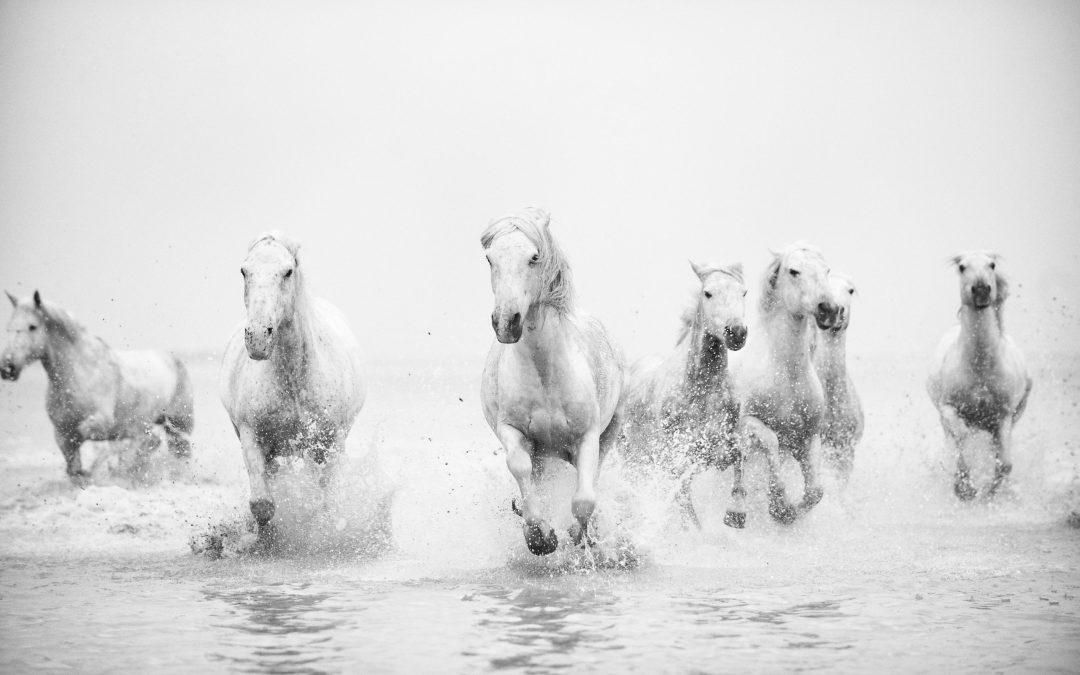
8 Tips for Maximising Your Office Space

How to grow your database

One of the most common questions we’re asked by the Training Barn delegates is probably one that you’ve mulled over a few times yourself: just how, exactly, do you go about growing a sizeable and authentic database of leads who – and this bit is crucial – actually want to buy your photos? We love this question, because there are so many ways to answer it. Here are ten of the best ways we’ve found…

1- First of all, make sure you’ve got a sign-up form on your website. This is extra-important for all those random people who stumble upon your website by happenstance. Not sure how to do it? Just Google it – there are plenty of tutorials targeted for your particular platform.

2- Offer a sign-up incentive, and make sure it’s something that doesn’t cost you anything – for example, a screensaver image of one of your favourite fine-art shots, or a photoshoot style guide. 

3- Be consistent on social media. Develop your voice and your style, set a timeframe, and stick to it. Scheduling apps like TailWind are a huge help, as they allow you to plan your content ahead of time, but don’t forget to play with links, too – always try to get people to head back to your website. 

4- Exhibit at equestrian events and make sure to keep signup sheets or an iPad with an email signup to hand. Don’t just get contact details for punters – speak to other stand owners, too. You never know when they might find themselves in need of a photographer. 

5- Run a competition to win a shoot. Gifted shoots don’t have to mean you lose out on money – you can make it back up again when the time comes for your winner to purchase prints. Just make sure your entry form has a tick box in which they agree to join your database – otherwise you’ll be in breach of GDPR.

6- Team up with another business to offer a joint promotion – for example, customers who purchase one thing get a discount off the other. 

7- Host a viewing party with influencers, riders, your own equestrian contacts, and business owners in attendance. It’ll be a great networking event for everyone, while also keeping your images at the heart of the matter. 

8- Seek out opportunities to be a guest speaker at an event or on a podcast. There are plenty around, aimed at both creatives and equestrians – so get researching!
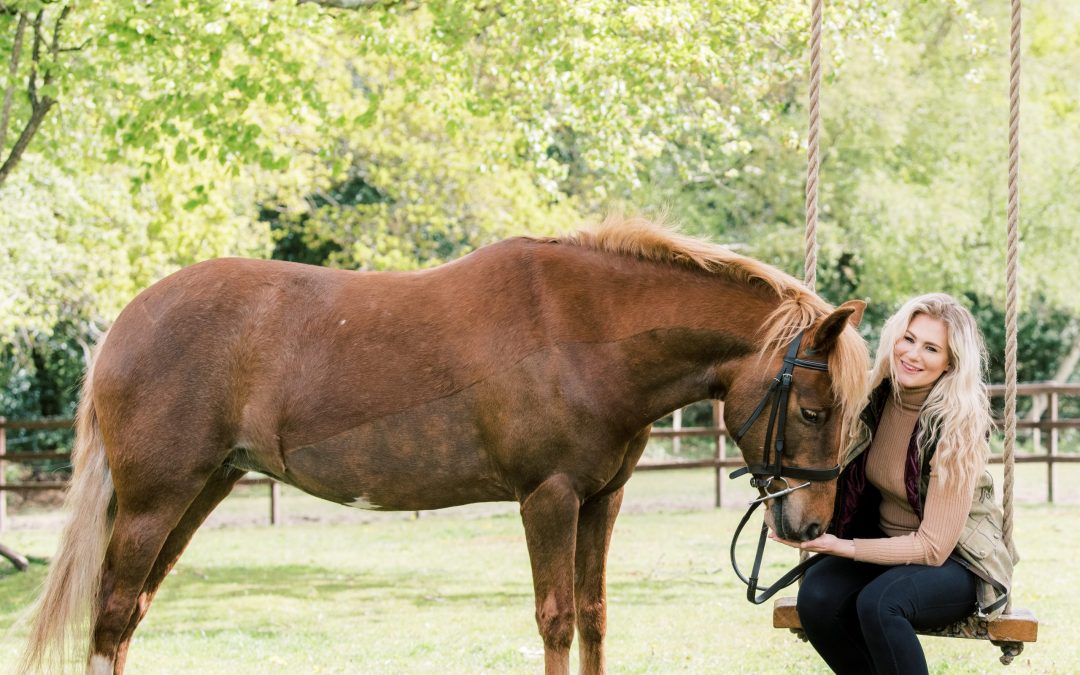
9- Approach your favourite blogs and websites and ask if you can write a guest blog – but pitch a specific topic. 

10- Get featured in a magazine. This is easier than you think – just start with local and regional magazines, supply plenty of images in your pitch, and embrace your individuality. Are you a single mum balancing a full-time job, two children, and a fledgling photography business? Great – consider that your unique selling point, don’t hide it away. 

So there you have it… try utilising some of these for yourself and let us know how you get on!


Phew! And that’s just one teeny tiny section we cover in our online Business course… check it out below!

8 Tips for Maximising Your Office Space

7 creative ways to market your photography business

Wouldn’t life be great if we could just go out and do what we love – photograph horses, of course – all day long, without having to worry about all the legwork that goes with it? I don’t know about you, but marketing our businesses used to be one of the jobs we’ve always felt the least inspired by. It’s time-consuming and it’s frustrating, particularly when it feels like no one is responding to your efforts.

But we’ve put some serious work into honing our marketing strategies, making them work not just for our businesses, but for our busy creative brains. We want to share with you some of the secrets we’ve learned along the way – they don’t have to cost you a fortune, they don’t need to take up all your time, and they can even, believe it or not, be quite good fun.

Top marketing tip #1: Design custom cards

Let’s start with what we’re good at – great visuals. When you’re spreading the word about your equine photography business, you need to find ways to stand out from the crowd. Sure, stunning images speak for themselves – but you need to get people to your portfolio and convince them that you’re the best choice. 

Show potential clients that you’re more than just any old equine photographer. Flex your design muscles – we love Canva as a user-friendly design tool if you’re not ready for the likes of Adobe Illustrator or InDesign – and create a gorgeous invitation or custom card to send to your leads. Little touches like this will set you apart and make these potential customers feel special – and that’s valuable.

Top marketing tip #2: Get involved with charity events

Take a look in your local newspaper, or have a browse around online to find out if there are any equine charities near you, or any events going on that will be for the benefit of a charity. Sometimes these are demos, other times they’re horse shows – but in any case, it pays to get in touch and offer to photograph the event for free. You can then pass out your business cards and sell cheap and cheerful digital files to competitors.

When you’re more established, it’s a great idea to continue your charity links. Auction off a print and donate the proceeds, or offer to do a creative photoshoot with a charity’s resident equines, and then submit the results to a local or national publication. Charity work will make you feel great – and it can be the key to getting the phone ringing, too.

Top marketing tip #3: Invest some effort into your website

First things first: having a website is totally non-negotiable. You absolutely must have an online home for your portfolio, your contact information, and your rates. If you don’t, you’re cutting yourself off from loads of potential income. 

Once you’ve put the time and effort into making your website gorgeous, useful, and on-brand, you need to make sure you’re offering something extra – a pop-up, for example, that allows visitors to download something they won’t get anywhere else. It could be a look-book of photos, or a guide to your favourite locations, or a style guide for potential clients. 

You should also make sure there’s a sign-up point for your monthly newsletter, which will update people on your latest news, any special offers, and new blog posts, as well as showing off your favourite images from your latest shoots. Create an automatic welcome message for new subscribers that asks them if they’d like more information on booking a shoot – simple!

Top marketing tip #4: Use photos for testimonials

Your previous clients are a pathway to plenty of brand new clients, and sometimes, it can be as simple as pairing your favourite image from their shoot with a testimonial from them about their experience. Sweeten the deal by offering a 6×8 print in exchange for a testimonial about their experience with you. Then, you can share this testimonial on your website, your blog, your Facebook page – wherever. 

A testimonial reinforces the notion that you’re the best person for the job. When you can prove that you’ve already got happy customers, other people will feel more confident about spending their money with you. 

Top marketing tip #5: Don’t skimp on the little things

Are you ready for a truth-bomb? Here it is: it’s about ten times harder to attract a new client than it is to re-entice a previous customer. But this doesn’t need to be a bad thing – instead, we’re going to use it to our advantage to make sure the ones you get come back time and time again. 

Keep a calendar just for important dates relative to your clients – birthdays, anniversaries, and so on. Then, when those red-letter days roll around, send a personalised email offering a special discount or offer, just for them. Often, this will be just the reminder they need of how fab their previous shoot with you was – and they’ll be so touched by your personal treatment that they’ll likely book in again!

Top marketing tip #6: Go old-school

So you’ve signed yourself up for a tradestand at a busy equestrian event – brilliant! But now, with a list of new contacts, how can you make sure you stand out from all the other photographers that were there?

Try sending them a physical booklet showing off the best of your portfolio. Sure, it requires some additional expense, but putting your work in their hands just days after they met you can instil confidence, turning a lead into a client. Very few photographers use this trick, but it’s an almost guaranteed converter. 

We like to include a couple of printed postcards with our favourite images, a business card, and a discount voucher, too, when we send our brochures out. All together, the design is cohesive and beautiful, and it really gets people excited about how their own photos might look. Attention to detail speaks volumes – so use it to attract your dream client. 

Top marketing tip #7: Offer up your interior design skills

Do you have a friend who owns a physical business – like an office, a pub, a shop, or so on? Ask them if you can supply some of your prints to help fill the space. Leave your contact details in the corner of the frame and some brochures or business cards on the counter, and offer to take some photos of the business for your friend to sweeten the deal. 

Final thoughts…

There are so many ways to spread the word about your business, and the more you exercise your creativity in marketing it, the more effective you’ll be. Have you found a unique way to reach your customers? Let us know!


Marketing can be the biggest bug-bear in most people’s businesses. Emily and Hannah have learnt the best and worst ways to market themselves…check out their Business course below!

8 Tips for Maximising Your Office Space

Picking the right influencer

Let’s start from the very beginning. What’s an influencer?

This is a trusted person within the equestrian industry. For example, a show jumping trainer, a tack shop owner or an owner of a local livery yard.

These are people who have built up their equestrian businesses and are trusted and followed by their customers.

A great influencer will also be a successful business person and have many contacts who are your ideal client.

You need to make sure that your influencer has a following who would be your ideal customer.

One of Hannah’s Influencers

A common mistake:

You meet a professional equestrian business owner, you think “Great! This is my influencer, they have 4k followers on Instagram and they own beautiful horses” you connect with them and they warmly say “uh, yea sure – we could do a photo shoot, I could do with some nice pics for my Facebook”

Does this sound good to you? NO!

You may get lucky and this person turns into a wonderful influencer but let me show you what have you missed out and this will help save you thousands of hours and worry!

  • Do they value photography?
  • Would they love a photo shoot with you?
  • Will they cherish the images you create for them?

This is the KEY

Believe me when I say, an influencer can bring you £100,000’s of work. I kid you not. If you get this right, they can create your business with you.

Getting it right:

When picking your influencer, it needs to be a natural thing. They need to care about having wonderful portraits of them and their horse. Basically, they need to ‘get it’.

Lets break it down:

  1. Create your network of contacts
  2. Create your ideal client
  3. Where do the 2 mix?

Your influencer will take time to find, this is not a five minute job. They need to tick some important boxes:

  • Do they run a successful business?
  • Do they have a following who trust them and their recommendations?
  • Do they value photography?
  • Do they get what you do?
  • Do they value YOU?

If you can connect with someone who has the contacts and the followers and nurture them into your business then you have the start to a wonderful business influencer.


If you’re still a little confused about finding and harnessing an influencer for your photography work, check out the syllabus for the 1-year group mentorship programme, which includes this and tonnes of other great, business-propelling content!